
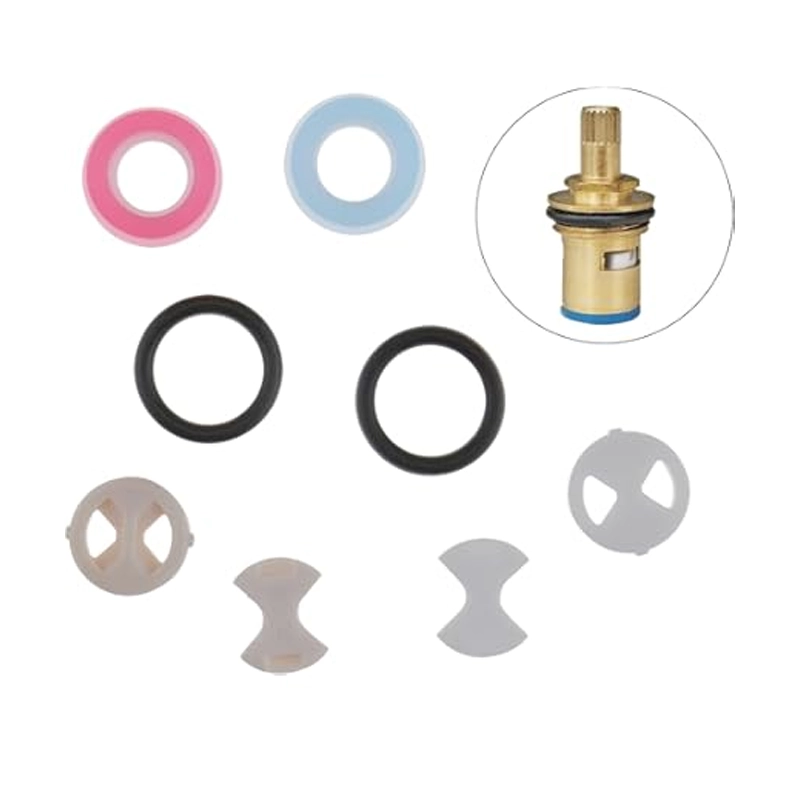
Are you designing faucets, sourcing seals, or fixing a leaky bathroom fixture? At Silfusion we engineer and manufacture custom silicone for bathroom faucet applications and provide OEM service for high-quality sealing solutions. This guide explains when silicone is necessary, which grades to choose, installation best practices, manufacturing considerations, and how silicone prevents leaks — all from a production and product-development perspective.
Understanding the Role of Silicone in Bathroom Faucets
Silicone is widely used in faucet assemblies as a sealing material, grommet, diaphragm, or overmolded component. Its principal job is to prevent water migration between mating surfaces (spouts, cartridges, aerators, valve stems) while tolerating repeated mechanical motion, thermal cycling, and exposure to water treatment chemistries (chlorine, hardness minerals). Compared to other elastomers, silicone combines broad operating temperature range, excellent elasticity, and long-term weathering resistance — attributes that make it ideal where longevity and hygiene matter.
Types of Silicone Used in Faucets
- Liquid Silicone Rubber (LSR) — used for high-precision injection-molded seals, diaphragms, and overmolded parts; excellent for automation and multi-cavity production.
- High Consistency Rubber (HCR) — extrusion and die-cut gaskets; useful where simple cross-sections or lower tooling costs are needed.
- Food-grade / potable-water-grade silicone — formulated and certified for NSF/ANSI 61 compliance where water-contact safety is required.
Benefits of Using Silicone in Bathroom Faucets
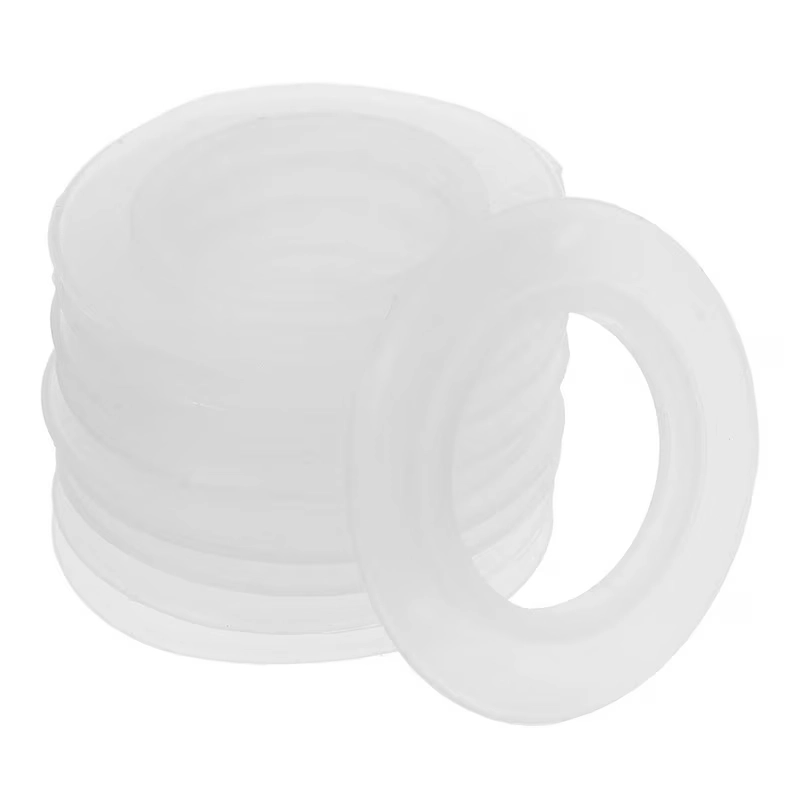
- Exceptional elastic recovery for constant sealing under cycling loads.
- Broad temperature range; remains flexible in cold water and stable with hot water exposure.
- Chemical and UV resistance — resists degradation from sanitizers and sunlight (for outdoor faucets).
- Low compression set — retains sealing force over long service life.
- Biocompatible grades available for potable water compliance.
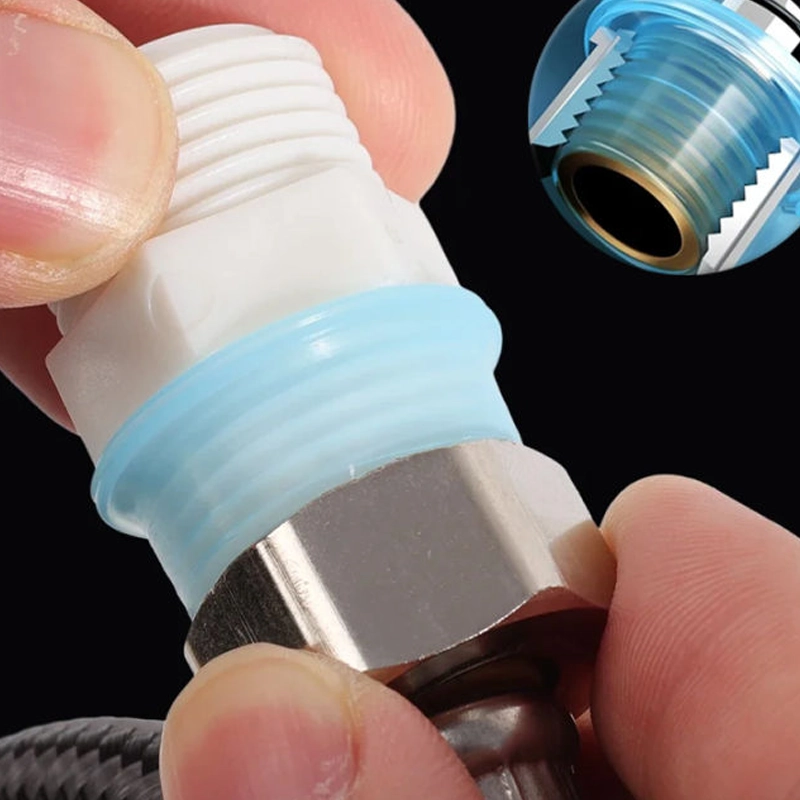
Potential Challenges of Silicone in Faucets
- Silicone can be more permeable to gases than some polymers; design must account for diffusion if applicable.
- Certain silicones can have higher initial cost than nitrile or EPDM; however, lifecycle costs often favor silicone due to longevity.
- Adhesion to rigid substrates can be problematic without appropriate primers or overmolding strategies.
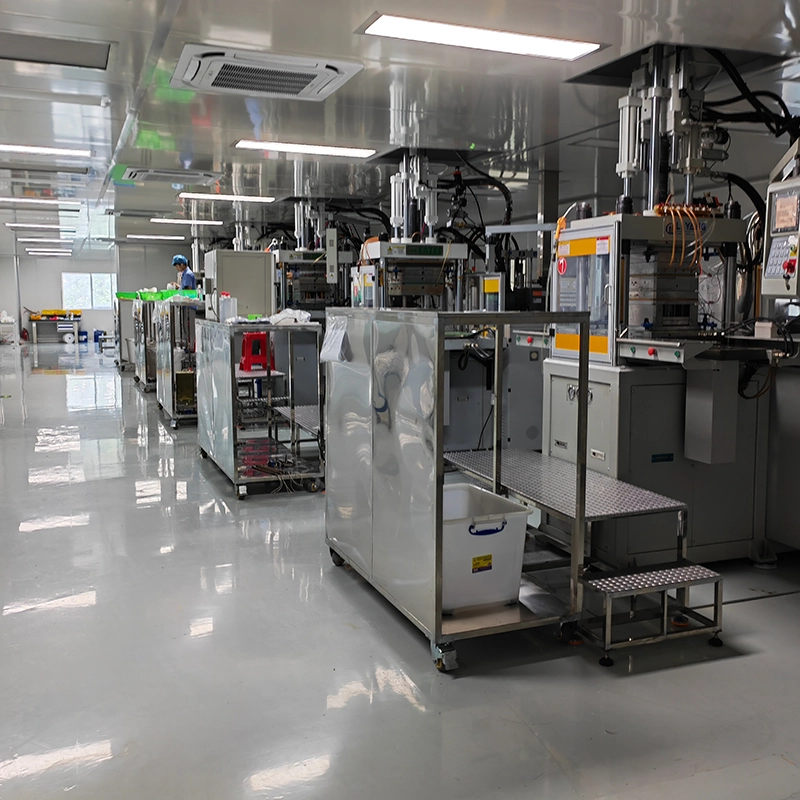
Manufacturing Technology Considerations
Choosing the right manufacturing route impacts cost, performance, and scale.
Choosing the Right Silicone Type
Select LSR for tight tolerances, thin sealing lips, and high-cavity, automated production. Use HCR for simple die-cut seals or where investment in injection tooling isn’t justified. For drinking water applications ensure the compound carries NSF/ANSI 61 or equivalent certification and has documented extractables testing if required.
Proper Installation Techniques
Correct torque sequencing on valve housings, even compression of gasket surfaces, and using compatible lubricants (silicone-compatible, potable-water safe) ensure consistent seal life. Over-tightening may extrude or damage sealing edges even with silicone’s resilience.
Addressing Existing Leaks
Diagnose whether leaks stem from gasket degradation, improper seating, warped metal/plastic components, or particulate contamination. For service kits, provide custom silicone gaskets sized to account for wear and recommend replacement intervals alongside clear installation instructions.
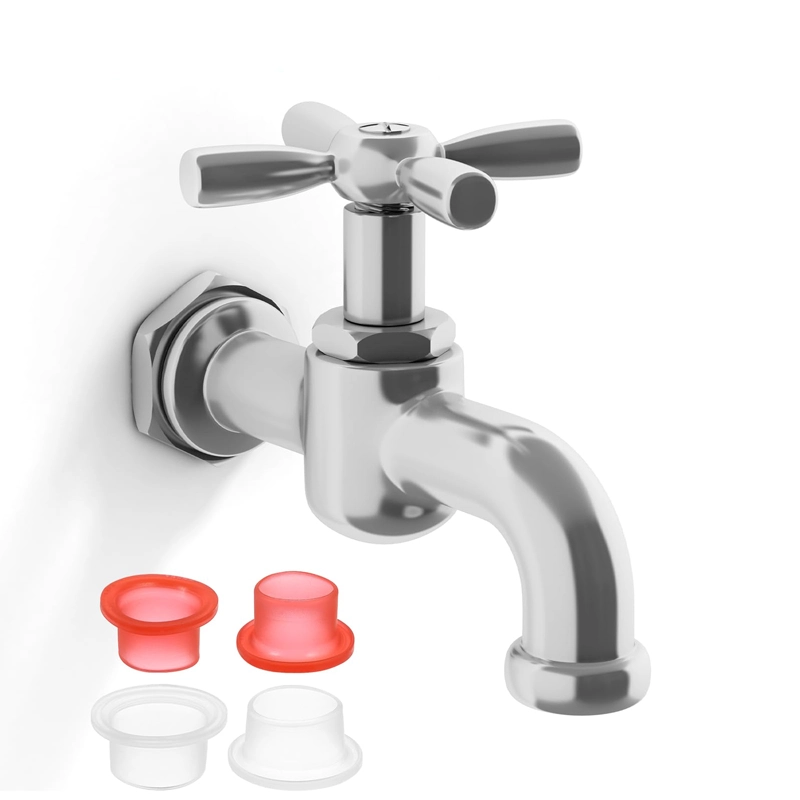
The Role of Silicone in Preventing Leaks
Silicone prevents leaks primarily by forming a conforming, elastic seal that compensates for micro-scale surface irregularities and thermal expansion differences.
How Silicone Prevents Leaks
- Creates a continuous sealing lip that compresses and recovers with each valve cycle.
- Overmolded seals eliminate assembly interfaces where fluids typically migrate.
- Properly specified shore hardness and lip geometry control cracking pressure and avoid weeping at low pressure.
Benefits of Using Silicone for Leak Prevention
- Long-term durability with minimal maintenance.
- Consistent performance across temperature fluctuations.
- Simplified assembly when overmolded or pop-in designed.
Challenges of Using Silicone for Leak Prevention
- Requires precise control of geometric tolerances to avoid extrusion or insufficient compression.
- Surface contamination (residue, particulate) during assembly can create leak paths — cleanliness protocols are important.
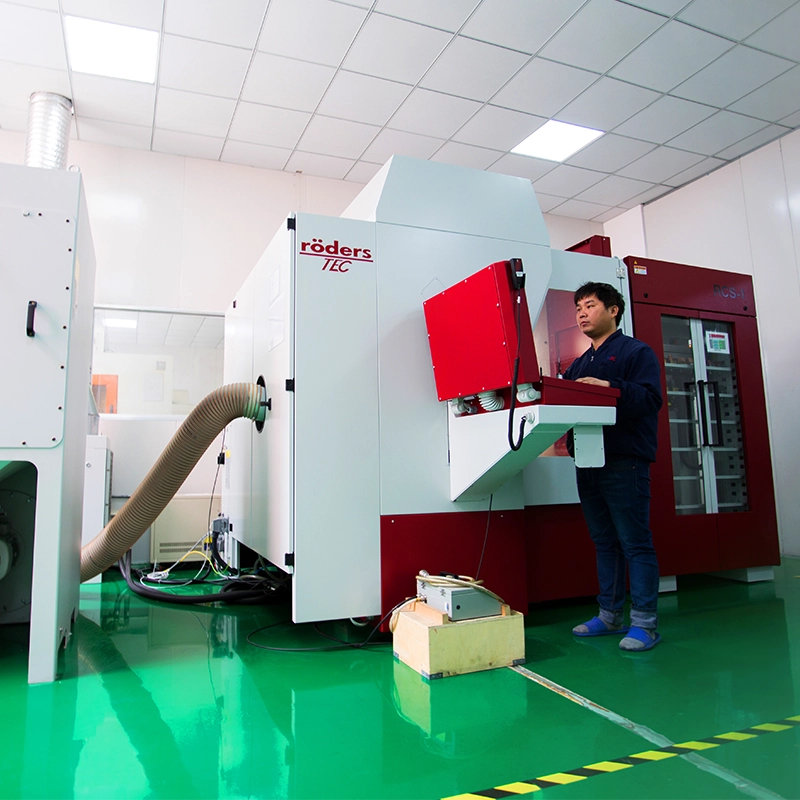
Importance of Surface Preparation
Surface preparation is essential to maximize sealing performance and any required adhesion.
Steps for Effective Surface Preparation
- Clean mating surfaces of oils, machining debris, and corrosion.
- If bonding silicone to plastics/metals is required, follow primer recommendations for the specific substrate.
- Verify flatness and finish of sealing faces; specify Ra targets for reliable sealing.
- Use controlled assembly torque and fixtures to ensure even compression.
Conclusion
Silicone is often the best choice for bathroom faucet seals when you need high quality, durability, and potable-water safety. For OEMs and designers, Silfusion offers end-to-end manufacturing support — from material selection and prototyping to high-volume LSR injection molding, overmolding, and assembly-ready kits as part of our one-stop service. If you’re specifying or redesigning faucets, we can help choose the right silicone grade, design robust sealing geometries, and provide validated production parts.
Interested in a prototype or a quotation for custom silicone for bathroom faucet seals or overmolded components? Contact Silfusion with your drawings, expected cycle life, and compliance needs — our engineering team will respond with a manufacturable solution and timeline.


 English