
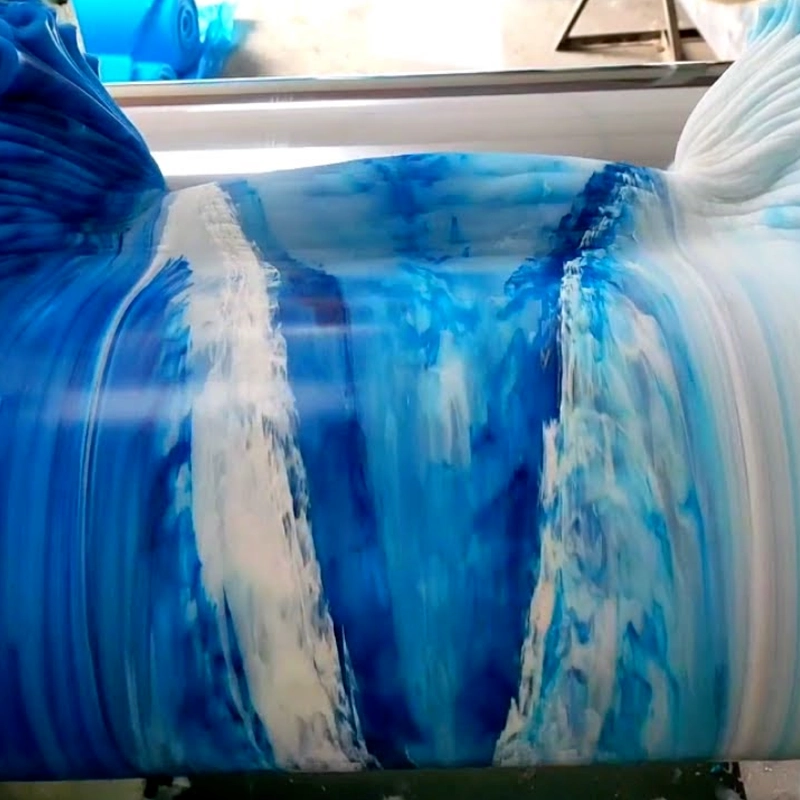
When it comes to silicone production, the battle against bubble formation is one that every manufacturer faces. Whether you’re producing medical-grade silicone for implants, automotive seals, or even household products, bubbles can cause all kinds of headaches—ranging from aesthetic issues to serious functional defects. But don’t worry, help is here. In this blog, we’ll dive into how you can minimize bubble formation in silicone production, and what you can do to keep your products pristine, functional, and bubble-free.
1. Understanding Why Bubbles Form in Silicone
First things first, let’s get to the root of the problem. Silicone is made up of various components—like liquid silicone rubber (LSR) or two-part systems (RTV or HCR)—which are combined and mixed to create the final product. During this mixing process, air can be trapped, leading to bubbles in the silicone compound. The bubbles can form for a number of reasons, but here are the usual suspects:
-
High-Speed Mixing: When the ingredients are mixed too quickly or violently, it can trap air in the mixture.
-
Poor Vacuum Control: Silicone components, especially when in liquid form, are prone to outgassing. If you don’t eliminate the air before pouring it into molds, bubbles can form as the mixture cures.
-
Impurities in the Silicone: Dirt, moisture, or even inconsistencies in your raw materials can cause defects during the curing process, including unwanted bubbles.
-
Inadequate De-gassing: Even after the silicone is mixed, it still needs to be de-gassed before it’s poured into the mold. If this step is skipped or done incorrectly, it can result in trapped air and bubbles.
2. How to Minimize Bubbles in Silicone Production
Now that we know what causes bubbles, let’s get to the good stuff—how to prevent them! There are several techniques to minimize bubble formation in silicone production, and we’ve rounded up the most effective ones below.
A. Optimize Mixing Techniques
One of the first steps in minimizing bubbles is ensuring that the mixing process doesn’t incorporate too much air. Here’s how you can do that:
-
Low-Speed Mixing: Instead of mixing at high speeds, opt for slow and steady mixing. This reduces the risk of trapping air in the silicone.
-
Mix in Smaller Batches: Mixing smaller batches allows for better control and reduces the chances of trapping bubbles.
-
Proper Tooling: Use the right kind of mixer for your silicone. For example, planetary mixers can help to ensure an even and gentle mix, which helps reduce air entrapment.
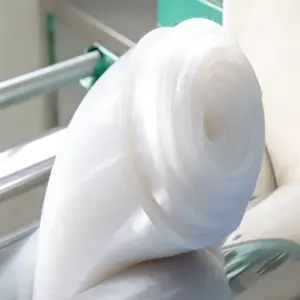
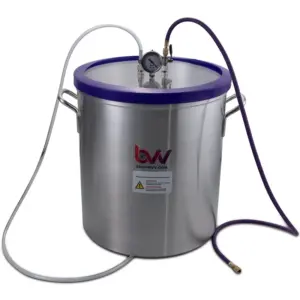
B. Use a Vacuum Chamber for De-gassing
Once the silicone is mixed, it’s essential to get rid of any air that’s been trapped in the mixture. The best way to do this is by placing the silicone in a vacuum chamber. The vacuum removes air from the material, allowing the silicone to become bubble-free before it enters the mold. Here’s what you should do:
-
Pre-Vacuum: Before mixing, place the raw materials in the vacuum chamber to remove any trapped air.
-
Post-Vacuum: After mixing, always put the mixture in the vacuum chamber to eliminate any remaining bubbles.
Using a vacuum chamber during these stages can dramatically decrease the occurrence of bubbles in your final product.
C. Control Temperature and Humidity
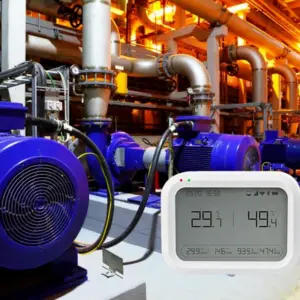
Temperature and humidity can significantly affect the way bubbles form in silicone. Hotter conditions can cause silicone to degas more quickly, leading to air pockets. On the other hand, cooler temperatures can result in more air being trapped during mixing. Here are a few tips:
-
Temperature Control: Maintain the temperature within the optimal range for your specific type of silicone. Too hot, and you might get rapid degassing; too cold, and the silicone might not mix properly.
-
Humidity Control: Excess moisture can lead to unwanted reactions in silicone, causing air bubbles. Make sure that your production area is dry and humidity-controlled.
D. Choosing the Right Silicone Formulation
Not all silicones are created equal. Some formulations are more prone to bubble formation than others. Selecting the right type of silicone for your application is crucial. Here are some things to consider:
-
Viscosity: Low-viscosity silicones are generally more susceptible to trapping air during mixing. High-viscosity silicones, on the other hand, can handle mixing better and will trap fewer bubbles.
-
Additives and Fillers: Certain additives and fillers can help improve the flow and reduce bubble formation. Just be cautious, as some additives can cause other problems, like compromising the material’s strength or elasticity.
E. Mold Design Matters
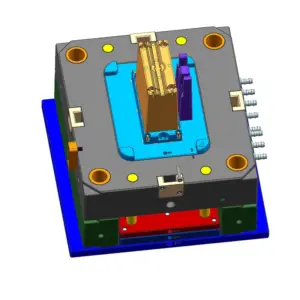
Mold design is a critical factor in preventing bubbles. Complex molds with intricate features can trap air during the curing process, leading to unwanted bubbles. When designing molds, consider the following:
-
Ventilation: Ensure your molds have adequate venting to allow air to escape during the curing process.
-
Smooth Surfaces: Sharp corners or excessive undercuts can trap air. Design your molds with smoother surfaces and gentle curves to allow the silicone to flow freely and reduce the risk of bubble formation.
3. Best Practices for Silicone Production: What to Keep in Mind
If you’re already a pro in silicone production, these next steps will help you maintain consistent quality and reduce bubble formation:
-
Regular Maintenance of Equipment: Regularly check and maintain your mixing, vacuum, and mold systems to ensure they are operating efficiently. Any malfunctioning equipment can lead to bubble formation.
-
Quality Control: Implement a strict quality control process to inspect raw materials and finished products for defects like bubbles. Catching these issues early will save you time and money in the long run.
Conclusion
Bubbles in silicone production are an inevitable challenge, but they don’t have to be a deal-breaker. By following the tips above, you can minimize air entrapment and produce high-quality silicone products that meet your customers’ standards. At Silifusion, we understand the complexities of silicone manufacturing and offer cutting-edge solutions designed to help you overcome production challenges like bubble formation. If you’re looking for reliable silicone products with minimal defects, you can always count on us!


 English