
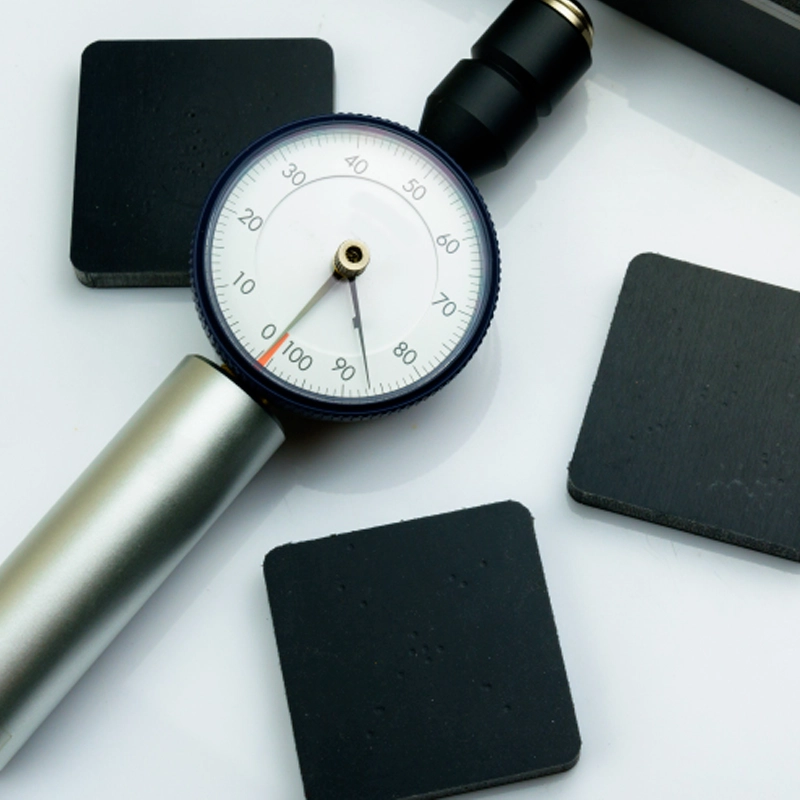
When you hear the term rubber hardness, you might picture a bouncy ball or the grip of your car tires. But what does “hardness” really mean in the context of rubber? It’s not just about how much you can press it, or how squishy it feels under your fingertips—rubber hardness is a specific, measurable property that tells engineers and manufacturers a lot about how the material will perform in various applications.
In this blog, we’ll break down what rubber hardness is, why it matters, how it’s measured, and the standards used in testing. Plus, we’ll explore how companies like Silifusion are leading the charge in providing customized rubber materials that meet exact hardness specifications for a wide range of industries. Let’s dive in!
What is Rubber Hardness?
Rubber hardness refers to the resistance of a rubber material to indentation. In simpler terms, it tells us how easily the material can be deformed when a force is applied. The harder the rubber, the less it will deform under pressure. Rubber hardness plays a key role in determining how well a rubber product will perform in different environments and applications.
It is particularly important for rubber parts that need to withstand extreme forces, wear, or environmental conditions, like tires, seals, gaskets, or medical devices.
Why Does Rubber Hardness Matter?
The hardness of rubber determines its elasticity, resilience, durability, and chemical resistance. Softer rubbers are more flexible and can absorb impacts better, which is why you see softer rubber in things like shoe soles, grips, or toys. Harder rubbers, on the other hand, are often used in components that need to resist compression, such as automotive parts, industrial seals, and heavy-duty gaskets.
Getting the hardness just right can be the difference between a product that performs well and one that fails prematurely. Too hard, and the rubber might crack or become brittle. Too soft, and it could deform too easily, reducing its effectiveness.

The Rubber Hardness Scale
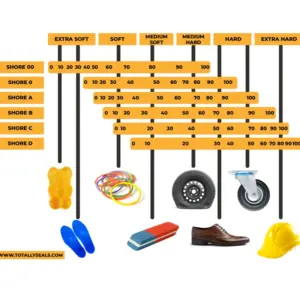
There are several methods for measuring rubber hardness, but the most commonly used scale is the Shore Durometer scale. The Shore Durometer measures the resistance of rubber to indentation using a specially designed instrument. There are different types of Shore durometers (A, D, etc.) based on the hardness of the material being tested.
1. Shore A Hardness
The Shore A scale is typically used for softer rubbers, like those used in medical devices, soft seals, or shoe soles. It measures from 0 (extremely soft) to 100 (extremely hard), with a higher number indicating a harder material. For instance, a rubber gasket might have a Shore A hardness of 60, while the rubber used for a car tire could be closer to 80.
2. Shore D Hardness
The Shore D scale is used for harder rubbers and elastomers. It’s common for materials used in industrial applications or heavy-duty products. The scale ranges from 0 to 100, with harder rubber materials (like those used in rollers, industrial seals, or harder tires) having a Shore D rating.
How Is Rubber Hardness Tested?
Testing rubber hardness is a straightforward process, but precision is key to ensuring the right specifications. Here’s how it’s generally done:
Step 1: Preparation
Before testing, the rubber sample must be clean, flat, and smooth. If the sample is in the form of a molded part, the testing surface should be perpendicular to the durometer’s needle to ensure accurate readings.
Step 2: Applying the Durometer
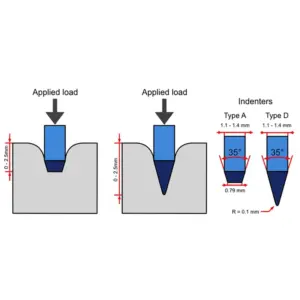
A Shore durometer is a hand-held device with a spring-loaded needle that presses into the rubber surface. The hardness is determined by how much the needle penetrates the rubber. Softer rubbers will allow more penetration, while harder rubbers will resist it more.
Step 3: Reading the Result
The scale on the durometer indicates the hardness of the rubber. The test is often performed at multiple points on the sample to ensure consistency. The resulting number helps engineers determine whether the material is suitable for its intended use.
Step 4: Post-Test Evaluation
After testing, the rubber is checked for consistency in hardness, and engineers might conduct additional tests to assess other properties like elasticity, compression set, or tensile strength. These tests can be used to ensure that the material will behave as expected in its intended application.
Rubber Hardness and Industry Standards
Each industry has its own set of standards for rubber hardness based on the requirements of the application. For example:
-
Automotive industry: Hardness specifications for rubber parts like gaskets and seals typically range from Shore A 60 to Shore A 85, depending on the part’s role in the vehicle.
-
Medical devices: Soft rubber parts, like those used in gloves, tubing, and seals, usually fall between Shore A 30 and Shore A 60. This ensures flexibility and comfort while maintaining durability.
-
Construction and manufacturing: Harder rubbers (Shore A 80 to Shore A 90) are used in industrial seals, conveyor belts, and gaskets that need to resist wear and pressure.
These standards help manufacturers like Silifusion produce rubber materials that meet the precise needs of each application. By carefully selecting the right hardness, businesses can ensure their rubber components deliver the desired performance and longevity.

Why Choose Silifusion for Your Rubber Needs?
At Silifusion, we specialize in creating high-quality rubber materials tailored to your specific hardness requirements. Whether you need a soft, flexible rubber for medical applications or a harder material for industrial seals, we have the expertise and technology to deliver the perfect product. Our team works closely with clients to ensure our rubber meets the highest standards of performance, durability, and compliance with industry regulations.
Let us help you find the right hardness for your next rubber application—contact Silifusion today to discuss how our custom solutions can meet your needs.



 English