
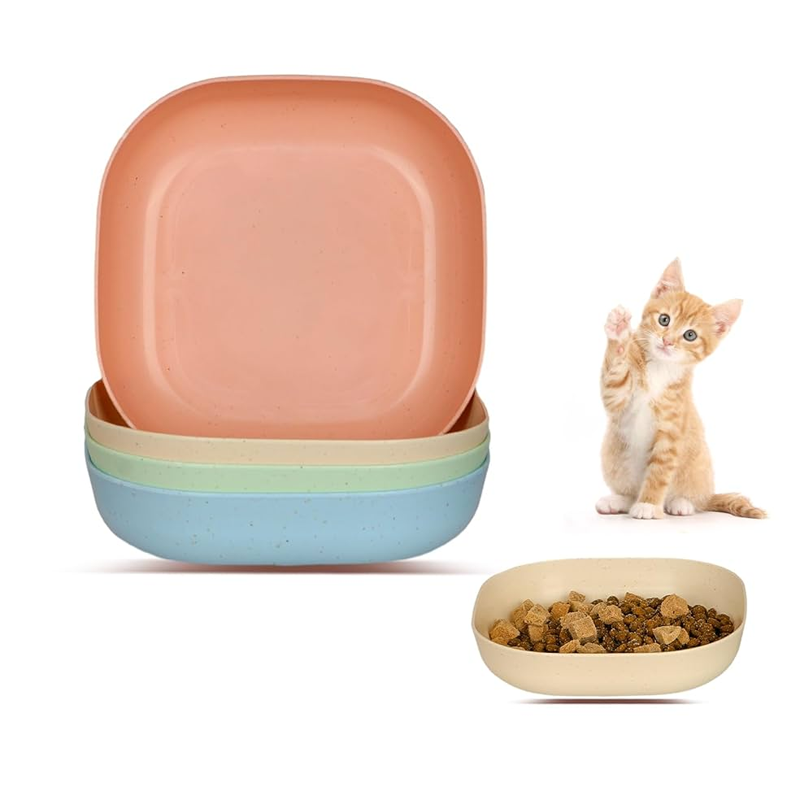
At Silfusion, a specialist manufacturer and OEM partner for pet feeding products, we get asked constantly whether silicone bowls are safe for cats and what advantages they offer compared with stainless steel, ceramic, or plastic. This article gives a clear, B2B-focused overview you can use to evaluate product design, compliance, and positioning for private-label or wholesale programs. We also explain the manufacturing steps and practical selection criteria so you can confidently spec custom silicone dog bowls or cat bowls for retail.
Introduction to Silicone Bowls
Silicone bowls are made from food-grade silicone elastomers that are soft, flexible, and heat-resistant. They come in collapsible travel styles, rigid molded bowls, and hybrid designs (silicone liner + rigid frame). For pet brands and retailers, silicone is attractive because it enables differentiated form, color, and user convenience while maintaining relatively low tooling costs compared to fully rigid injection-molded parts.
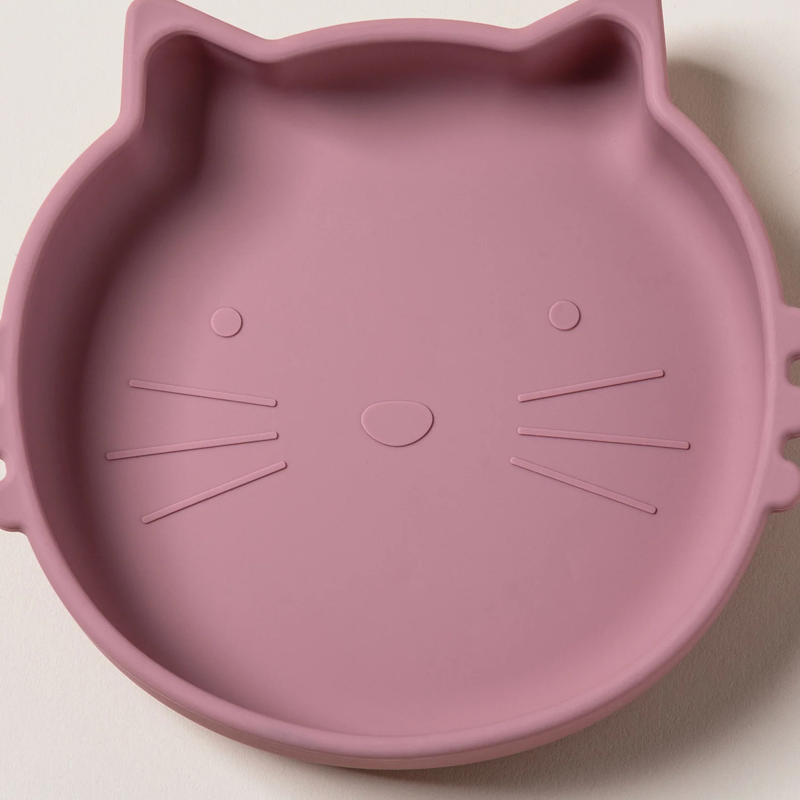
Safety of Silicone Bowls for Cats
Chemical Considerations
Food-grade silicone suitable for pet bowls should meet recognized safety benchmarks. Platinum-cured silicone formulations that are free from BPA, PVC, phthalates, lead, and heavy metals are the industry standard. These formulations have low extractables and do not leach harmful substances under normal use, hot washing, or sterilization conditions.
Key supplier assurances to require:
- Material declarations (FDA, EU food-contact compliance, or equivalent).
- Test reports for heavy metals, volatile organic compounds (VOCs), and migration where applicable.
- Batch traceability and Certificate of Analysis (CoA).
When these controls are in place, silicone bowls are chemically safe for repeated contact with cat food and water.
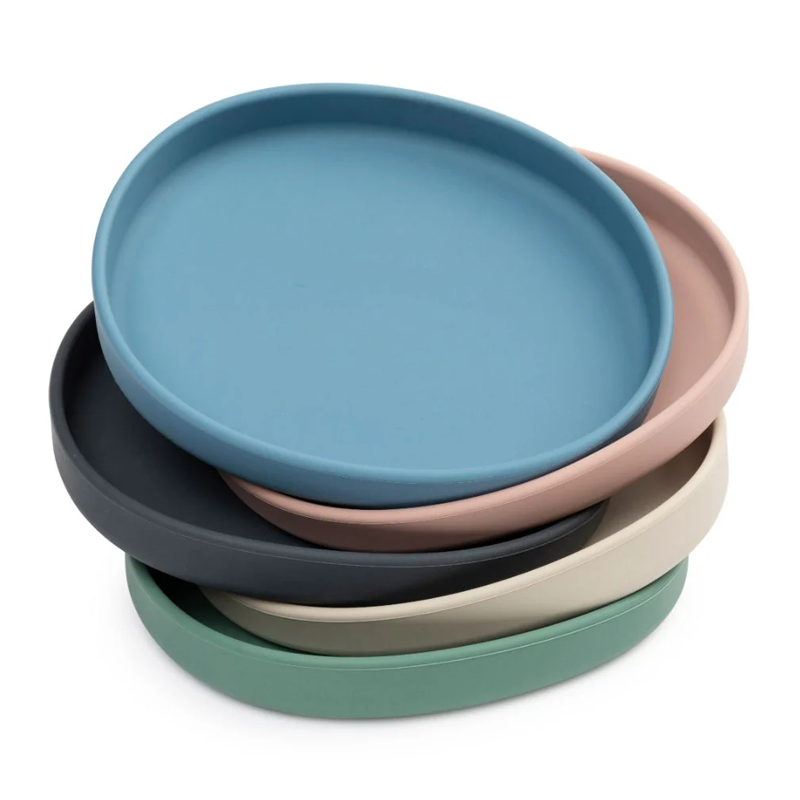
Benefits of Silicone Bowls for Cats
Practicality and Ease of Use
- Collapsible and portable—ideal for travel or multi-pet households.
- Dishwasher-safe and often boilable for sterilization; quick drying reduces bacterial growth.
- Soft edges reduce risk of injury and are gentle on whiskers and sensitive muzzles.
Health Benefits
- Non-porous surfaces (when properly manufactured) resist bacterial harboring better than scratched plastics.
- Temperature stability—silicone does not deform with warm wet food, and many formulations tolerate sterilization cycles.
- Comfort—soft-rim bowls can reduce stress for whisker-sensitive cats compared with deep, narrow bowls.
Environmental Considerations
Silicone is more durable than many plastics, which reduces replacement frequency and long-term waste. While silicone is not commonly recycled in municipal streams, its long service life and the possibility of reusing across pets or in secondary household roles support a better life-cycle compared to single-use plastics. For eco-minded brands, highlight durability, low replacement rate, and potential for circular programs.
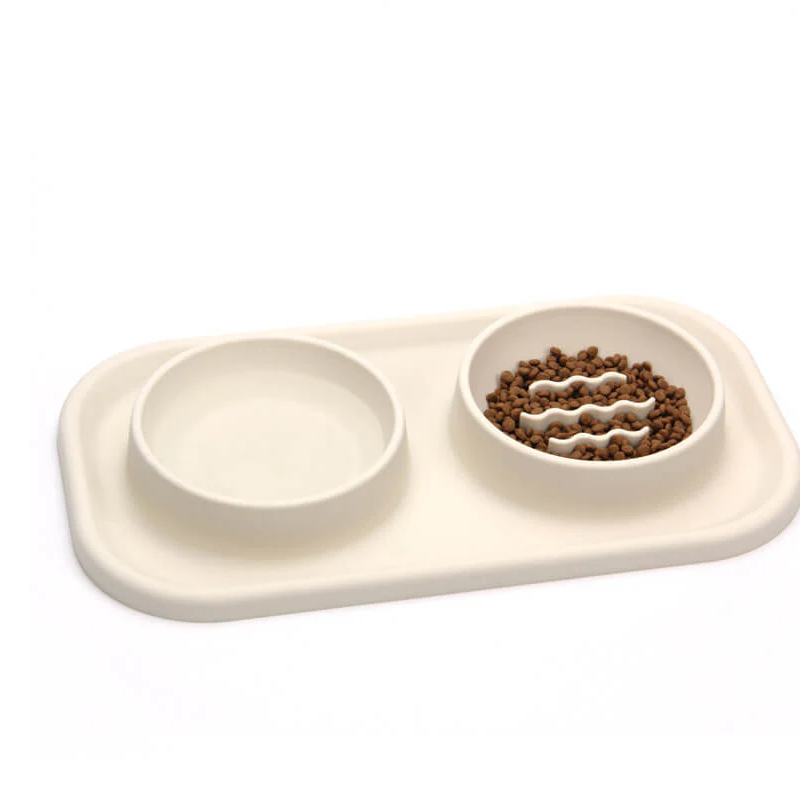
Manufacturing Process of Silicone Dog Bowls
(Section intentionally covers dog bowls because tooling, materials, and processes are identical for cat bowls — this is relevant for buyers sourcing mixed pet lines.)
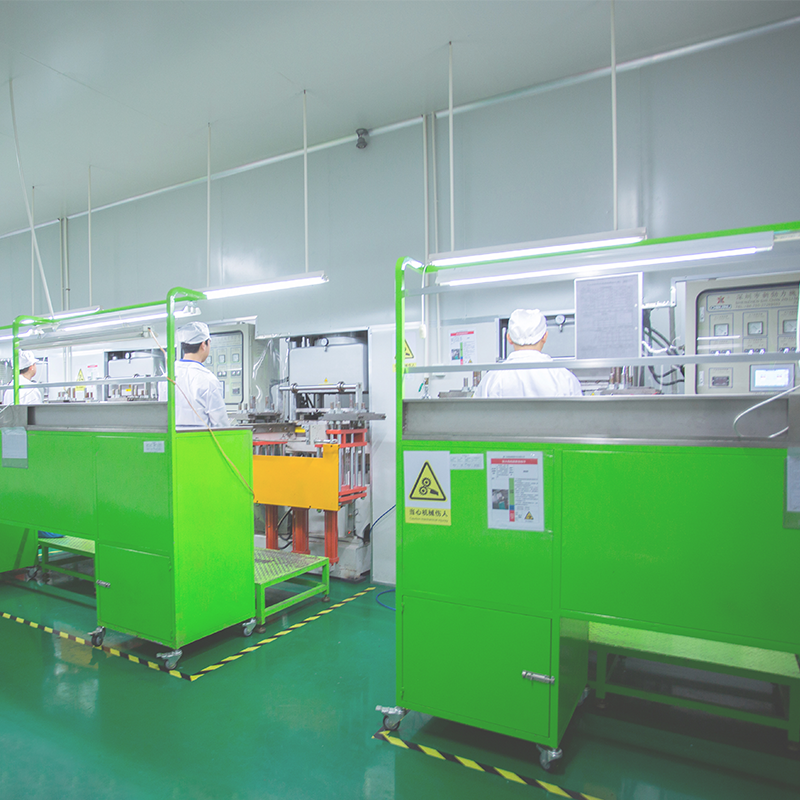
- Material selection — choose platinum-cured, food-grade LSR (Liquid Silicone Rubber) or high-grade compression-molding compounds with certified pigments.
- Tooling and prototyping — CNC steel or aluminum molds; soft tooling for validation. Rapid prototyping (3D print masters) helps finalize ergonomic details for whisker relief and rim geometry.
- Molding — LSR injection or compression molding with controlled cure cycles for consistent durometer and wall thickness.
- Post-process — trimming, washing, and visual inspection; optional surface treatments (matte finish, anti-slip texture).
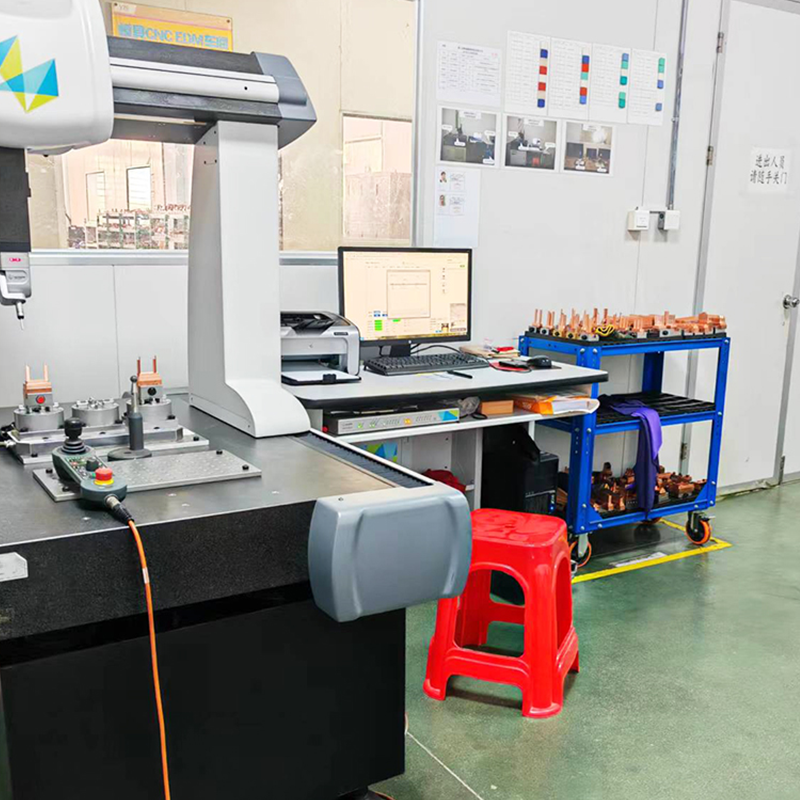
- Testing & QC — mechanical tests (tear, tensile), extraction/migration sampling, and full batch traceability.
- Packaging & labeling — include care instructions and material declarations for retail compliance.
As a manufacturer with full OEM capability, Silfusion packages these steps into a compliant, repeatable production flow so brands can scale from prototypes to full production runs.
Choosing the Right Silicone Bowl for Your Cat Product Line
Consider these B2B criteria when selecting or specifying bowls:
- Use case: travel collapsible vs. home dining.
- Durometer: softer (lower Shore A) for chew resistance and comfort; firmer for structural bowls.
- Wall thickness & finish: affects stability, thermal mass, and washability.
- Colorants & branding: demand tested pigments and deboss/emboss options for logos.
- Compliance: require test reports and CoAs up front to simplify retailer onboarding.
Conclusion
Silicone bowls are safe for cats when sourced from reputable suppliers and manufactured using food-grade, platinum-cured formulations with documented testing. They offer clear user benefits—portability, durability, gentle edges, and easy cleaning—that make them an excellent addition to modern pet assortments. For B2B buyers and brands, silicone bowls are a compelling SKU when paired with robust QC and transparent material certifications.
At Silfusion, we offer end-to-end OEM service for pet feeding products, including design, prototyping, compliance testing, and mass production of custom silicone dog bowls and cat bowls.
Interested in developing a private-label silicone bowl line or need compliance documentation for retail? Contact Silfusion today for a feasibility review, sample run, and OEM quotation. We’ll help you match product performance to market needs and deliver high-quality, compliant bowls that retailers trust.


 English