
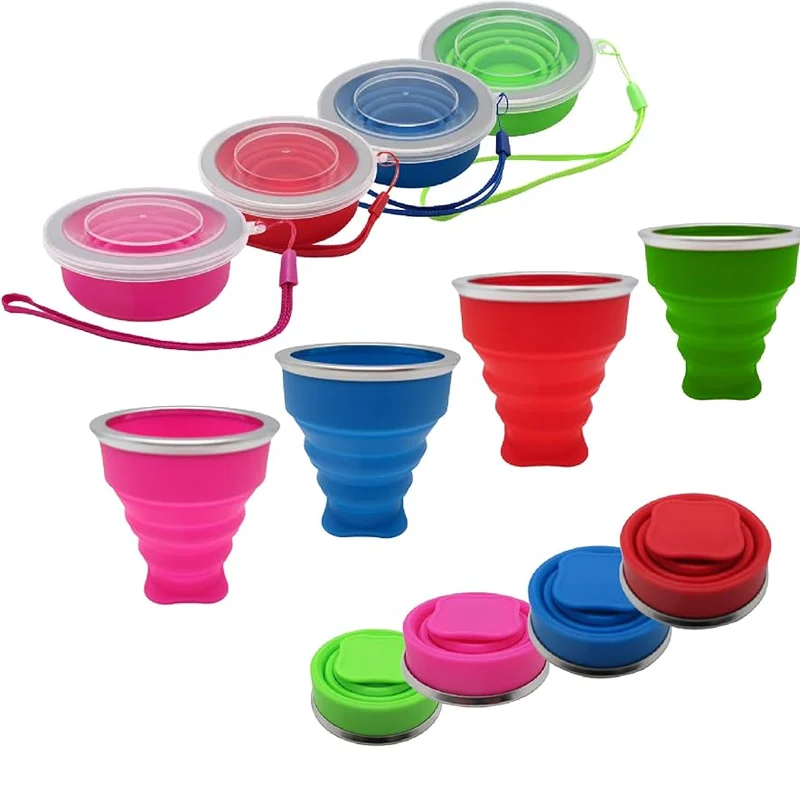
Silicone has become one of the most widely used materials in modern consumer and baby-care product manufacturing, especially for items like custom silicone cups, silicone coffee cups, silicone wine cups, and collapsible silicone cup solutions.
But for global brands and OEM buyers, one key question always comes up:
Can silicone cups safely go in the microwave without performance or safety risks?
From a manufacturing perspective, the answer depends on material grade, structural design, and compliance standards—not just the product shape.
Understanding Silicone as a Material
Silicone is a flexible, heat-resistant polymer widely used in food-grade and baby-care applications due to its thermal stability and chemical inertness.
Properties of Silicone
- High temperature resistance (typically -40°C to 230°C)
- Non-toxic and BPA-free when food-grade certified
- Flexible and durable under repeated heating cycles
- Odor-resistant and chemically stable
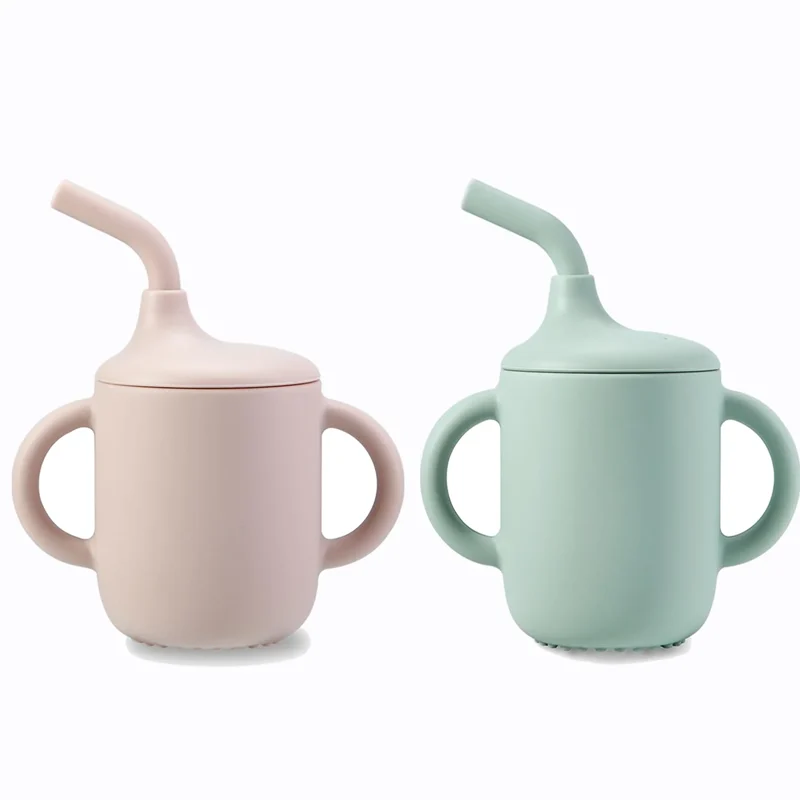
These properties make silicone ideal for reusable kitchenware such as silicone cup with straw designs and collapsible silicone cup products.
Can You Microwave Silicone Cups?
Yes—food-grade silicone cups are generally microwave safe when properly manufactured.
However, not all silicone products are equal. Safety depends on:
- Silicone curing method (platinum-cured preferred)
- Wall thickness and structure design
- Compliance certifications (FDA, LFGB)
Why Silicone is Microwavable
Silicone does not absorb microwave energy like metal or release harmful compounds under heat, making it stable during reheating or steaming processes.
Best Practices for Microwaving Silicone Cups
1. Check for Labeling
Always ensure the product is marked “microwave safe” and manufactured using certified food-grade silicone.
2. Avoid Extreme Temperature Changes
Do not move silicone cups directly from freezer to microwave to avoid stress deformation.
3. Use Proper Microwave Settings
Medium heat is recommended for even food warming and structural stability.
4. Avoid Direct Contact with Heating Elements
Silicone cups should not touch oven coils or grill elements.
Types of Silicone Cups
1. Food Grade Silicone Cups
Designed for direct food contact applications such as baby feeding and beverage use.
2. Reusable Silicone Cups
Common in travel and eco-friendly product lines, including collapsible silicone cup designs.
Microwaving Food in Silicone Cups
1. Baking in Silicone Cups
Silicone cups are widely used in microwave baking applications for muffins, eggs, and desserts.
2. Steaming Vegetables
Silicone’s heat stability makes it suitable for microwave steaming applications.
Cleaning and Maintaining Silicone Cups
1. Hand Washing
Mild detergent and warm water are sufficient for daily cleaning.
2. Avoiding Sharp Objects
Sharp tools may damage surface integrity over time.
3. Storage Tips
Store in dry environments to prevent dust accumulation and deformation.
Additional Safety Considerations
1. Be Mindful of Food Types
Avoid overly oily or high-sugar foods at extreme microwave temperatures.
2. Watch Out for Overflows
Silicone is flexible—overfilled cups may spill during heating.
3. Avoid Using Silicone in Conventional Ovens Without Verification
Always confirm product heat rating before oven use.
Why Choose Silfusion
For brands looking to develop high-quality custom silicone cups, Silfusion provides OEM manufacturing solutions tailored for global kitchenware and baby product markets.
Recommended Product:
Food Grade Silicone Cups for Baby Training
This product is engineered for:
- Safe baby drinking training applications
- Soft-touch food-grade silicone structure
- Anti-slip ergonomic grip design
- Microwave and dishwasher safe performance
- OEM branding and packaging customization
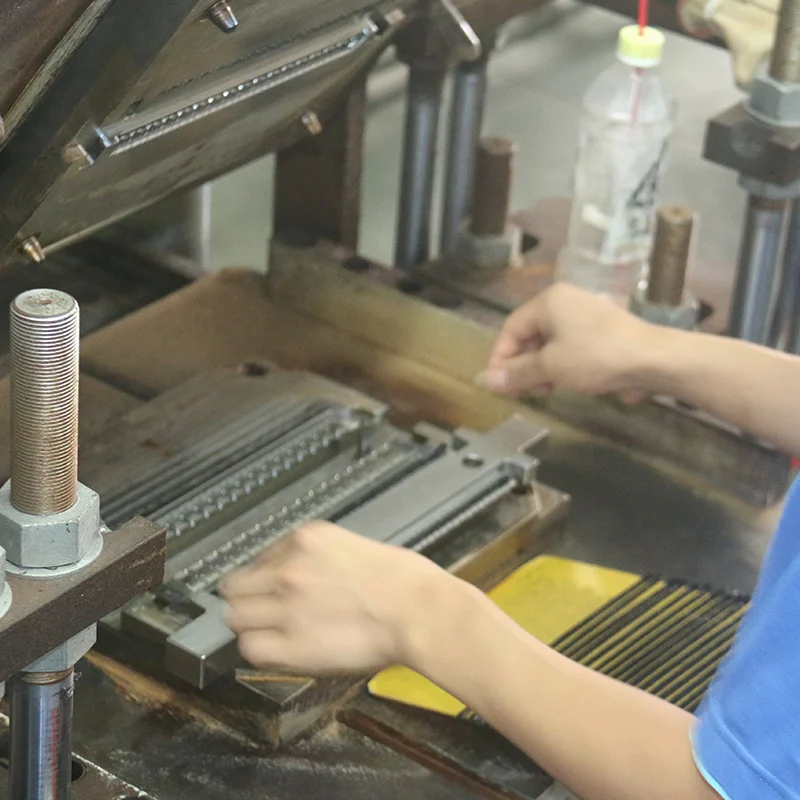
From a B2B manufacturing perspective, Silfusion supports:
- OEM/ODM custom silicone product development
- Precision molding and tooling engineering
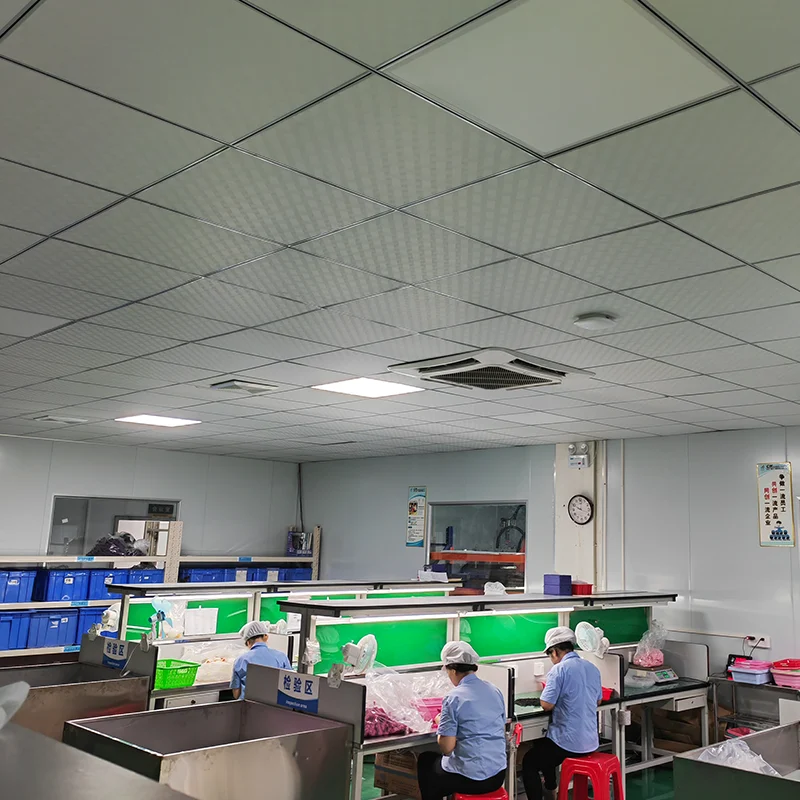
- FDA & LFGB-compliant production systems
- Scalable mass production for global distribution
- Strict in-line and final inspection processes
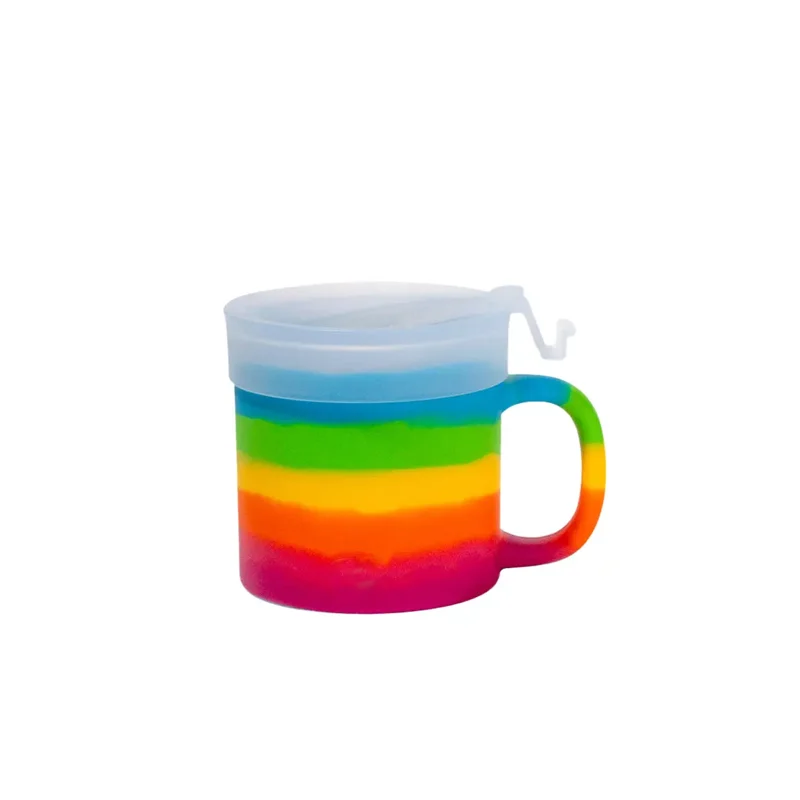
This makes it ideal for brands developing silicone coffee cup, silicone wine cups, and collapsible silicone cup product lines.
Conclusion
Silicone cups are generally safe for microwave use when manufactured with certified food-grade materials and proper engineering standards. For B2B buyers, product performance is directly linked to manufacturing quality—not just design.
Choosing the right factory partner ensures safety, consistency, and long-term brand reliability.
FAQs
Are silicone cups safe for microwave use?
Yes, if made from certified food-grade silicone.
Can collapsible silicone cups go in the microwave?
Yes, but only if they are rated for high-temperature use.
Do silicone coffee cups retain odors after heating?
High-quality silicone is odor-resistant and does not absorb food smells.
Can silicone wine cups be used for hot drinks?
Yes, they are heat-resistant and suitable for warm beverages.
How long do silicone cups last?
Typically 3–10 years depending on usage and material quality.


 English