
At Silfusion, a precision manufacturer specializing in silicone fluid-control components, we support OEMs with turnkey development and production of cross silt valves, one way silicone valve designs, and other elastomeric parts via liquid silicone rubber injection molding. Choosing the right silicone valve is about more than price. It’s about materials, process control, dimensional stability, and repeatable performance over the product life cycle. Use this five-step guide to evaluate suppliers and specify valves that meet your functional, regulatory, and cost targets.
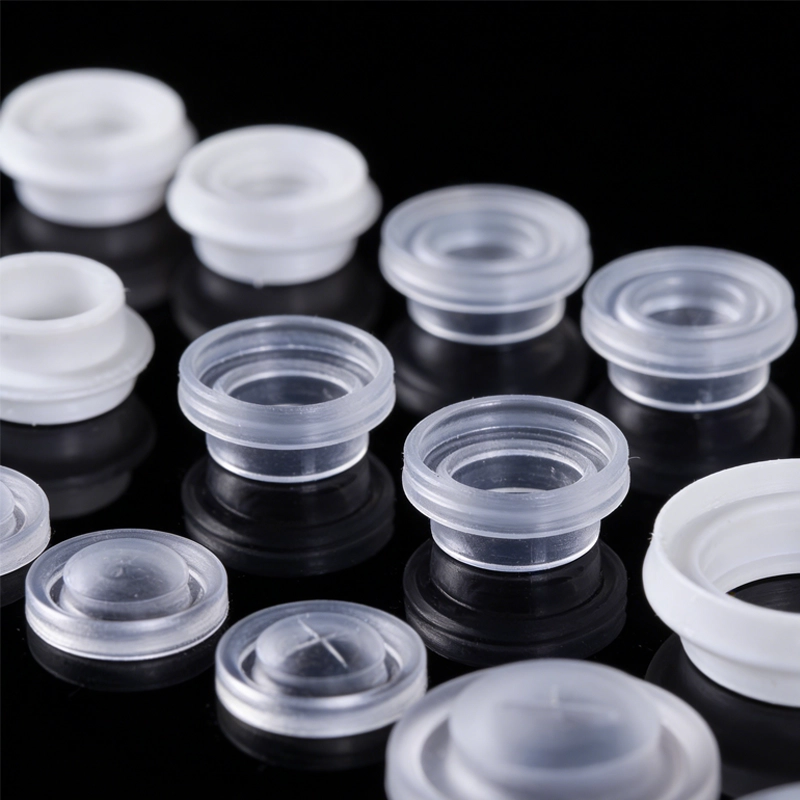
1. Use Food-Grade or Medical-Grade Raw Materials
Start with the compound. High-quality valves should use virgin, platinum-cured LSR or HCR grades that are certified for the intended application. Food-contact or medical-grade silicones have low extractables, excellent thermal stability, and minimal odor. Ask for Certificates of Analysis and test reports showing compliance with relevant standards. For valves handling aggressive media or repeated sterilization, require documented chemical compatibility and extractables testing.
What to request from suppliers
- Material grade and cure system
- Lot traceability and CoA for every production batch
- Migration, heavy metal, and cytotoxicity test results when applicable
2. High-Precision Molding Process
Material is only half the story. Process consistency is essential. Liquid silicone rubber injection molding (LIM/LVM) delivers the tightest dimensional control, consistent durometer, and minimal flash when compared with manual compression processes. Automated LIM cells reduce human variability and contamination risk, and support multi-cavity production while maintaining part-to-part repeatability.
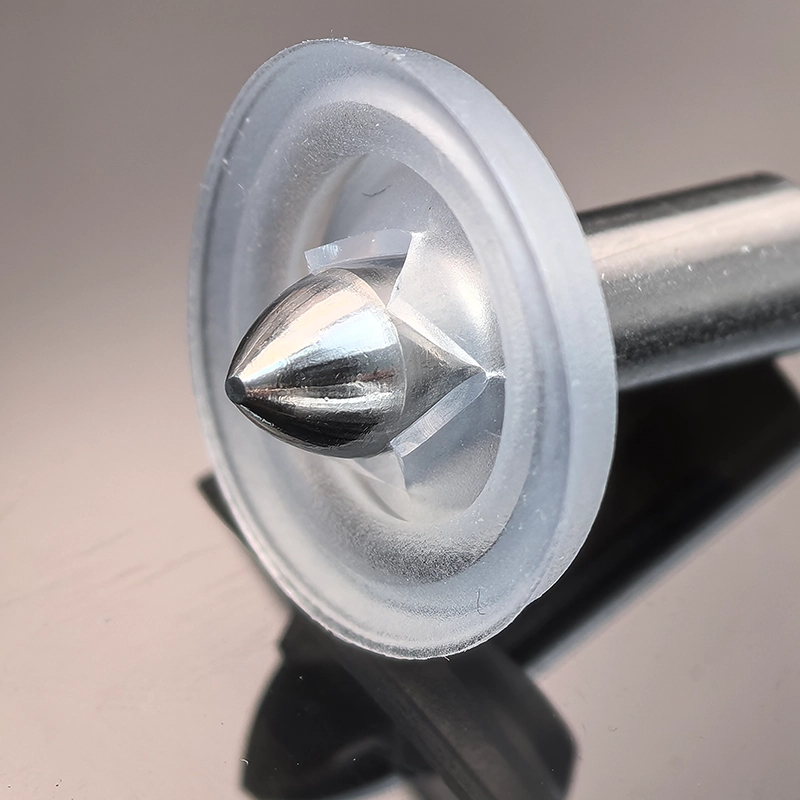
Molding best practices
- Automated LIM with closed-loop shot control
- Controlled cure profiles with documented cycle charts
- Cavity balancing and runner design optimized for repeatable filling
3. Clean Flash Removal for Better Sealing
Excess flash at the valve face or slit compromises sealing and increases leakage risk. Precise tooling and robust post-mold trimming — automated where possible — are critical. Manufacturers should demonstrate automated flash detection, consistent trimming processes, and reject controls that prevent parts with burrs from entering assembly.
Red flags to avoid
- Manual trimming without automated inspection for high-volume runs
- Visible flash at critical sealing edges in sample parts
4. Uniform Wall Thickness for Optimal Durability
Valve behavior is driven by wall geometry. Uneven walls lead to localized stress, higher compression set, and premature failure. Good design couples Finite Element Analysis (FEA) and tooling strategies to achieve uniform thickness through the skirt and head, controlling opening pressure and fatigue life while preventing thin, tear-prone sections.
Design checks
- FEA simulation of deflection and stress under cycle loads
- Minimum wall thickness rules tied to valve diameter and intended durometer
- Tooling validation runs with CPK and SPC reporting
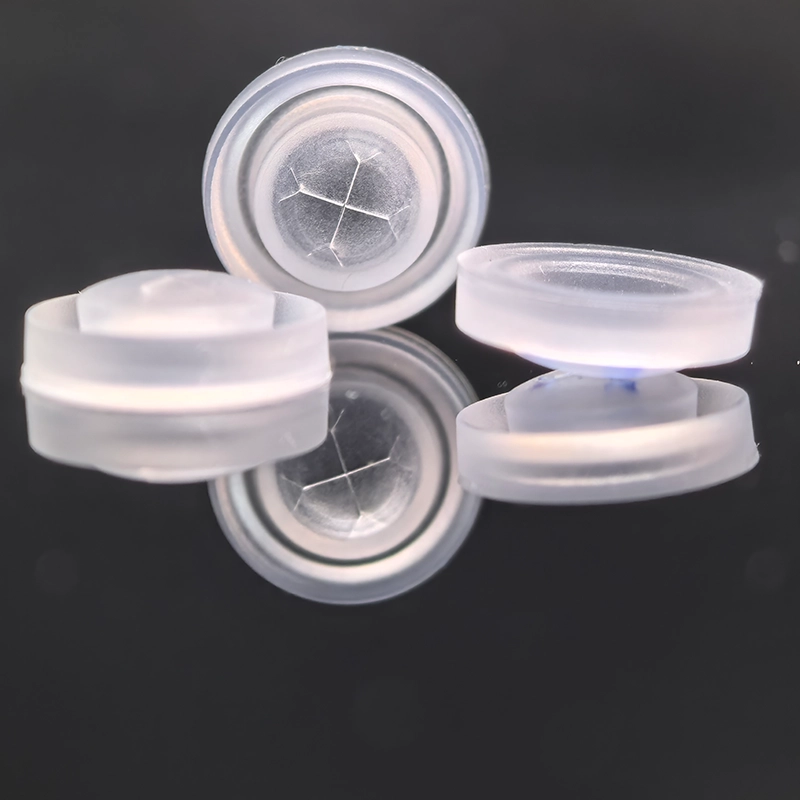
5. Precision-Cut Slits for Accurate Flow Control
The slit geometry—depth, angle, overlap, and edge finish—defines opening pressure, flow rate, and reseal behavior. Suppliers should offer cross-slit or custom slit profiles validated by flow-curve testing. Laser trimming or fine mechanical finishing can yield highly repeatable slit edges with low burr and consistent dosing characteristics.
Performance validation
- Opening pressure vs. flow curves across multiple batches
- Burst and leakage tests per your acceptance criteria
- Long-term cycling tests to measure compression set and reseal reliability
Why Choose Silfusion for Silicone Rubber Valves?
Silfusion combines material science, precision liquid silicone rubber injection molding, and production-grade quality systems to deliver valves that perform in the field:
- We use certified food-grade and medical-grade LSR compounds with traceable CoAs.
- Our automated LIM cells and precision tooling produce consistent cross silt valves and one way silicone valve designs at scale.
- We provide automated flash removal, vision inspection, and SPC to reduce escapes and ensure batch consistency.
- Silfusion supports full OEM service from DFM, prototyping, functional testing, regulatory support, to volume manufacturing and logistics.
If your program requires precise dosing, leak-free sealing, or long cycle life, partner with a supplier that engineers the valve as a system — material, mold, process, and inspection.
Next Steps
If you’d like, Silfusion can:
- Review your valve spec and provide DFM feedback
- Produce performance samples and opening-pressure curves
- Share CoAs and test reports for our LSR compounds
- Run a pilot lot with SPC and lot traceability
Contact Silfusion today to request a technical review or sample kit. Let us help you choose or develop the high-quality silicone rubber valve your product needs.


 English