
Curious whether CNC machining or injection molding is the right path for your next part? At Silfusion, we help product designers and procurement teams make that choice every day. Below I’ll walk you through the practical differences between CNC machining and injection molding — cost, lead time, material choices, tolerances, and when to use each — from the perspective of a manufacturer providing OEM service, custom service, and high-quality volume production. If you’re deciding how to bring a concept to life, read on — this guide will help you pick the best manufacturing route for your budget, schedule, and performance requirements.
What each process really is (short version)
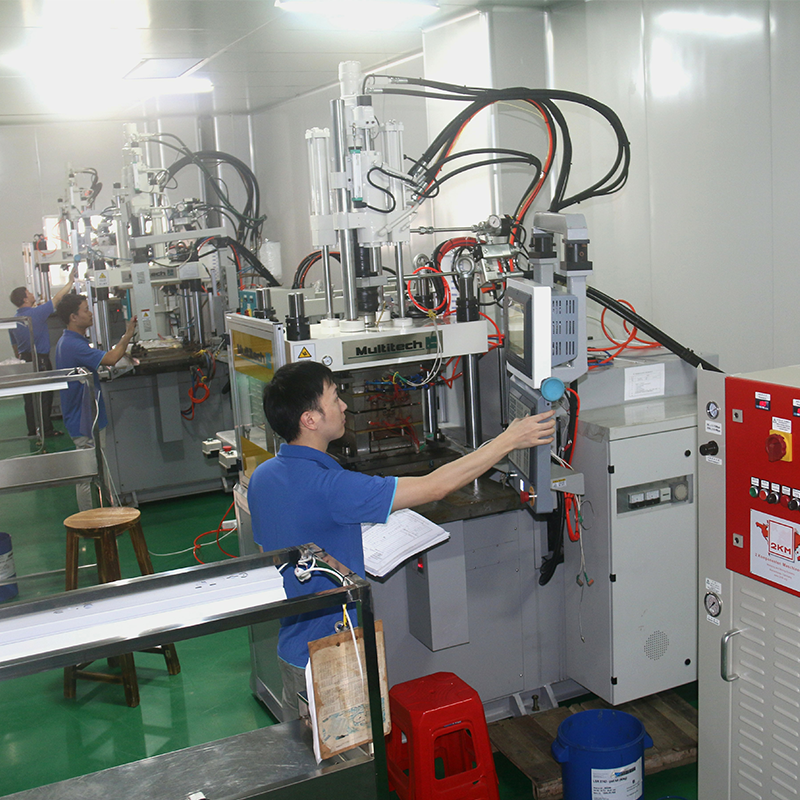
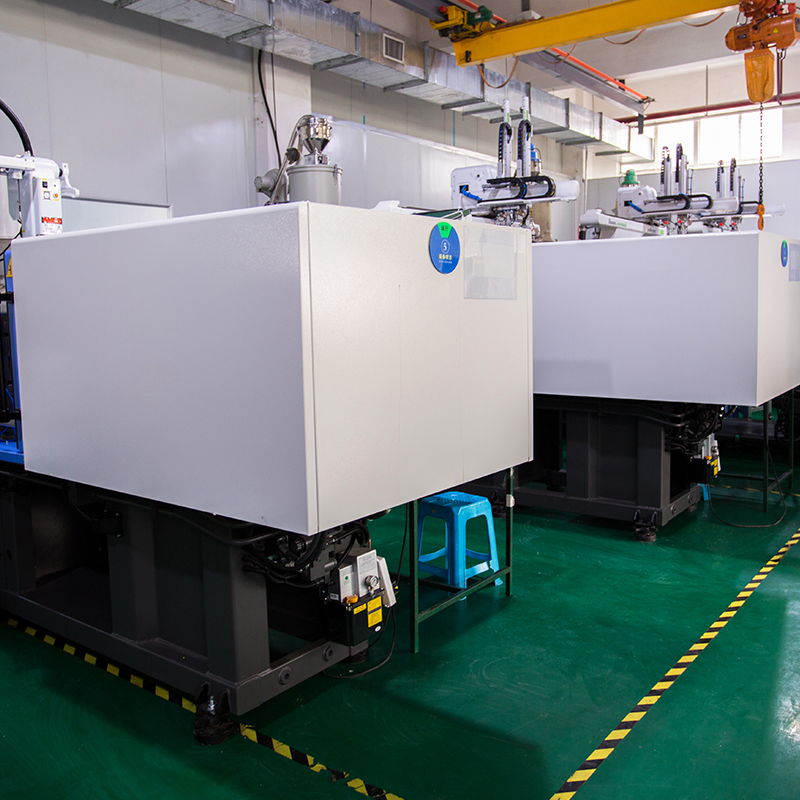
Injection molding is a high-throughput, tool-based process: molten thermoplastic is injected into a precision steel or aluminum mold, cooled, and ejected as finished parts. The value is in very low per-part cost at volume and excellent surface finish straight out of the tool.
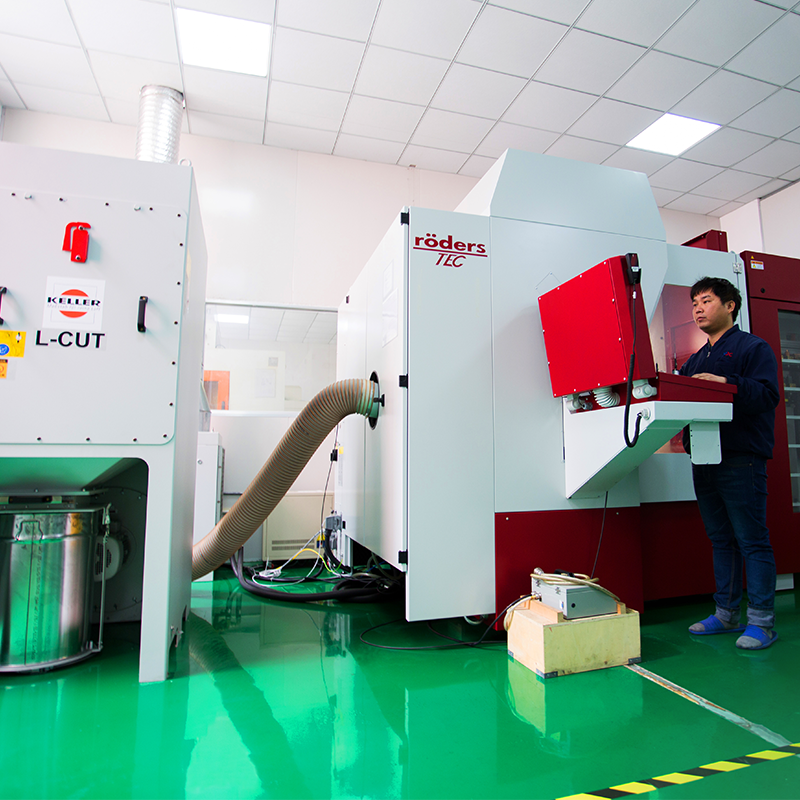
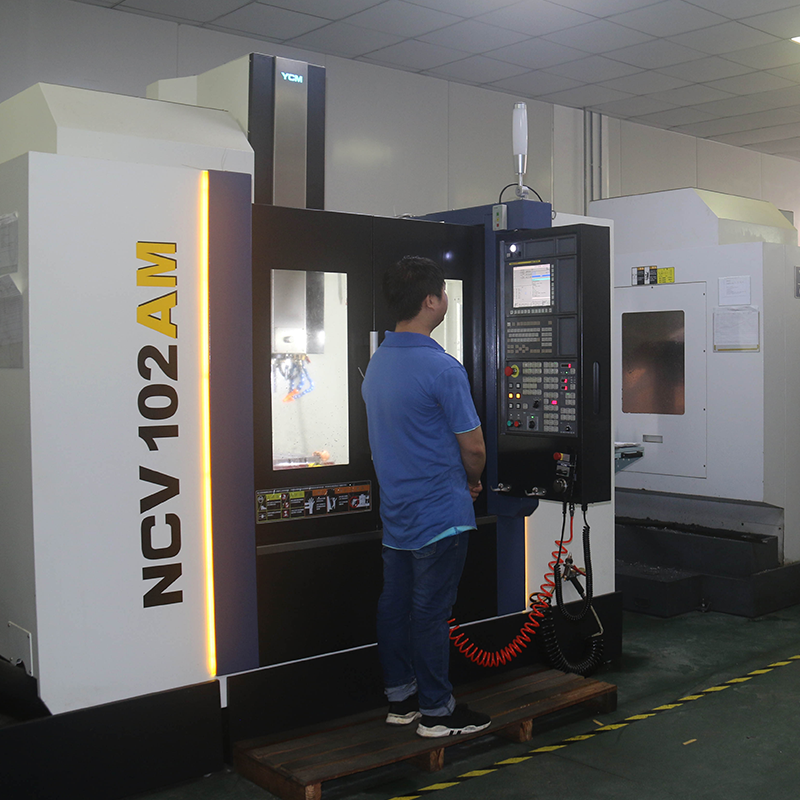
CNC machining is a subtractive process: material is removed from a bar, billet, or plate using computer-controlled mills, lathes, or multi-axis machines. It excels at fast turn prototypes, very tight tolerances, and materials that are difficult or impossible to injection mold (metals, high-temp polymers, composites).
Cost: upfront vs. per-part
- Injection molding: High upfront cost for tooling (steel molds can be tens of thousands to hundreds of thousands of dollars depending on cavities and complexity). Once the mold is paid for, the per-part cost is very low — ideal for tens of thousands to millions of parts.
- CNC machining: Much lower upfront cost (no tooling), but per-part cost remains relatively high because each part uses machine time and labor. CNC becomes competitive for low volumes, complex one-offs, or metal parts.
Practical rule: if your production run is under a few thousand parts and the part can be machined in a few minutes, CNC may be cheaper. If you expect continuous production in the tens of thousands, injection molding usually wins on cost.
Speed: prototyping to mass production
- CNC: Fast for prototypes and small batches — parts can be cut and shipped in days to a couple of weeks depending on backlog. Great for iterative design changes.
- Injection molding: Design-to-tooling takes longer (tooling lead time typically 2–8+ weeks depending on complexity). Once the mold is ready, cycle times are very short and daily outputs are far higher than CNC.
Best practice: use CNC for rapid prototyping and validation, then move to injection molding once the design is frozen — this reduces tooling risk and shortens time-to-market with validated parts.
Materials and mechanical performance
- Injection molding: Excellent for thermoplastics (ABS, PP, PA/Nylon, PC, POM, LSR for silicone parts). Parts have uniform density, repeatable mechanical properties, and can be optimized for molding (ribs, bosses, thin walls).
- CNC: Works with a much wider palette including metals (aluminum, stainless, brass, titanium), engineering plastics (PEEK, Delrin/POM, Nylon) and composites. When you need metal strength, high heat resistance, or EMI performance — CNC is the option.
If your part requires metal, specialized polymers, or post-machining operations (e.g., threading the bore after molding), CNC or hybrid approaches are necessary.
Tolerances & surface finish
- CNC machining: Achieves very tight tolerances (±0.01 mm / ±0.0005″ in many cases) and fine features. If your assembly needs precision fits, mating features, or critical flatness, CNC is often preferable.
- Injection molding: Typical molded tolerances are looser and depend on material shrinkage, gate locations, and mold maintenance (commonly ±0.1–0.3 mm). However, with precision tooling and process control, injection molding can hit tight tolerances for many consumer and industrial parts.
Tip: If you need molded parts with precision features, consider molding near-net shape and then doing secondary CNC machining on critical faces or bores — a cost-effective hybrid strategy.
Design constraints and DFM (Design for Manufacturability)
- Injection molding constraints: require draft angles, uniform wall thickness, appropriate rib and boss design, gate placement and venting considerations, and avoidance of deep undercuts (or use of side actions). Mold flow and cooling channels influence part warpage and cycle time.
- CNC constraints: limited by tool access, feature depth versus tool diameter, and fixturing. Undercuts and internal cavities that are difficult for molded parts are sometimes easier with CNC (or with multi-axis machining).
At Silfusion we always run DFM reviews. Early DFM flagging reduces tooling changes, shortens cycles, and saves money. If you have complex geometry, involve your supplier early — we provide design optimization that balances tooling cost and end-use performance.
Volume & scalability
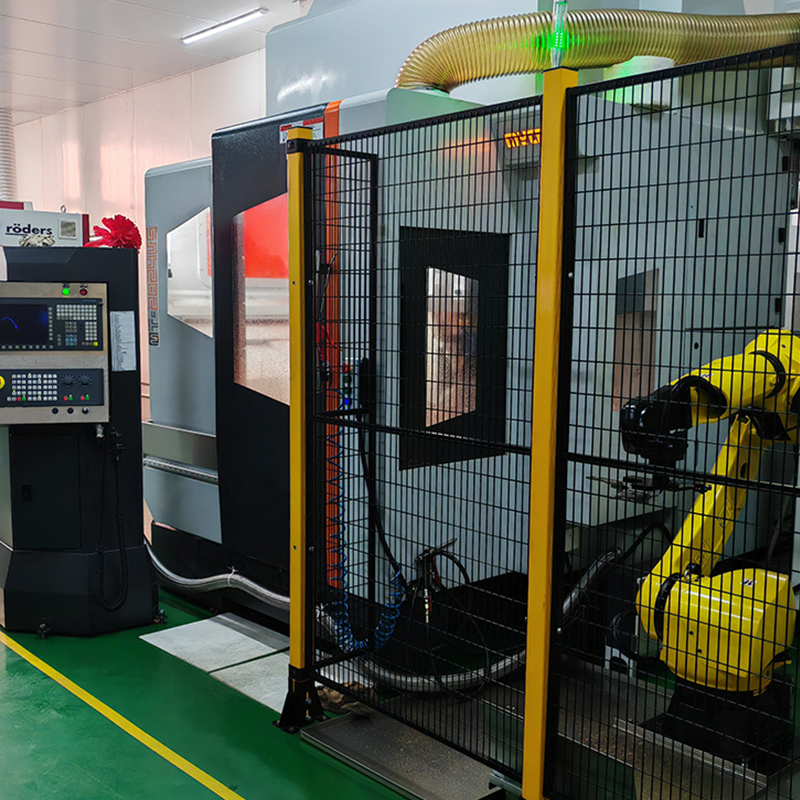
- Injection molding: the most scalable for high volume production. Multi-cavity molds and automation (robotic pick, inline assembly) reduce per-unit labor and improve repeatability.
- CNC: scale by adding machines or shifts. For very high volume, the economics favor molding, but CNC remains valuable for metal parts or small runs.
Quality control & process maturity
Both processes can meet stringent quality needs — it’s about the right controls:
- Injection molding: mold maintenance, process control (SPC), first article inspection (FAI), and batch traceability.
- CNC machining: tool life monitoring, fixture design, in-process probing, and final CMM inspection.
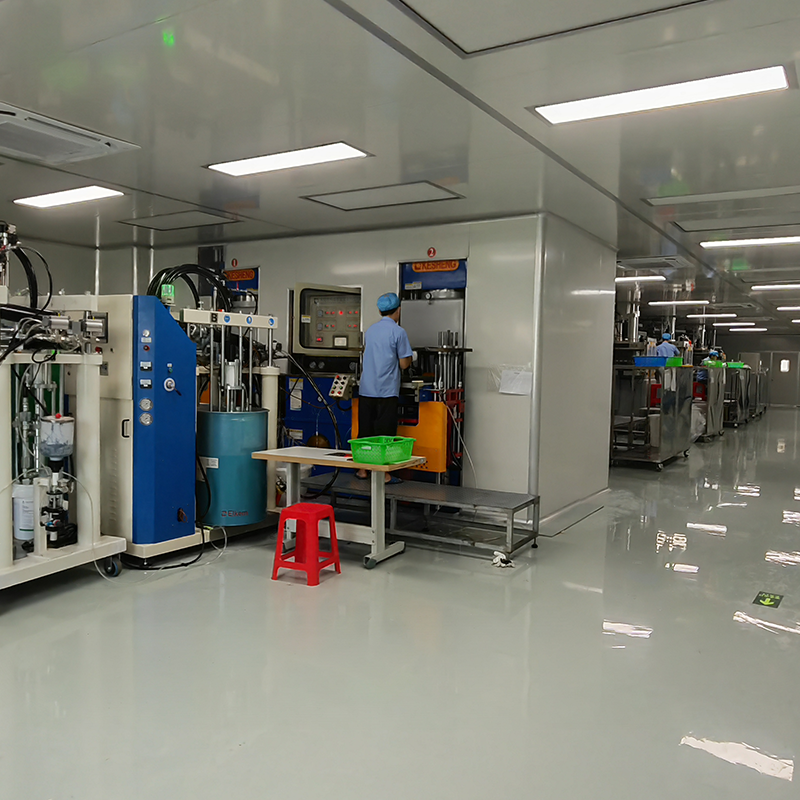
We operate ISO-grade quality systems at Silfusion and integrate inspection plans into every project.
Hybrid approaches you should consider
- Prototype with CNC, volume with molding: Validate fit/function quickly, then release the validated CAD to molding.
- Mold + secondary CNC: Mold the basic shape, then machine critical features (bore, face) to tighter tolerances. This saves mold cost while achieving precision where needed.
- Overmolding / Insert molding: Use molding to create composites (metal inserts overmolded with plastic) for assemblies that require metal strength and polymer sealing.
Practical selection checklist
Ask these questions to choose the right process:
- What is your expected annual volume?
- What materials are mandatory (metal vs. plastic)?
- How tight are the tolerances and which features are critical?
- What is your target unit cost and total project budget (including tooling)?
- How quickly do you need the first parts?
- Will the design change after initial production?
Real-world example
A client approached us with a battery housing requiring 10,000 units/year and a machined heat-sink interface. We prototyped the housing in CNC for fit checks, then produced an injection mold for the outer shell and used CNC only to finish the heat-sink mating surface. This hybrid cut tooling cost and kept per-unit cost low while delivering the mating tolerance required.
Final thoughts — choosing with confidence
There’s no universal answer — the “best” process depends on your part’s function, volume, material needs, and budget. At Silfusion (an experienced OEM and custom service partner), we help you map those variables into a practical manufacturing plan: quick CNC prototypes, optimized DFM for molding, or hybrid production strategies that combine the strengths of both processes. We partner with reliable suppliers and maintain factory controls that deliver high quality at scale.
If you want a cost estimate, DFM review, or a prototype quote, contact Silfusion today. Tell us your part geometry, projected volumes, and performance targets — we’ll recommend the fastest, most cost-effective route to production and support you with end-to-end OEM service and custom solutions.


 English