

At Silfusion, we specialize in providing high-quality rubber valves and silicone air valves designed for reliable fluid control in various applications. Cross slit valves are one of the most efficient, self-sealing valve types used in industries requiring precise flow control, leak prevention, and low-maintenance solutions. Whether you’re in manufacturing, product development, or procurement, understanding how cross slit valves work and their key advantages can help ensure you choose the right valve for your needs.
One-sentence definition: A cross slit valve is a self-sealing valve made of elastomer material, typically silicone or rubber, with a cross-shaped slit that opens under pressure and seals when the pressure is removed, offering effective one-way flow control.
1. Introduction: What is a Cross Slit Valve?
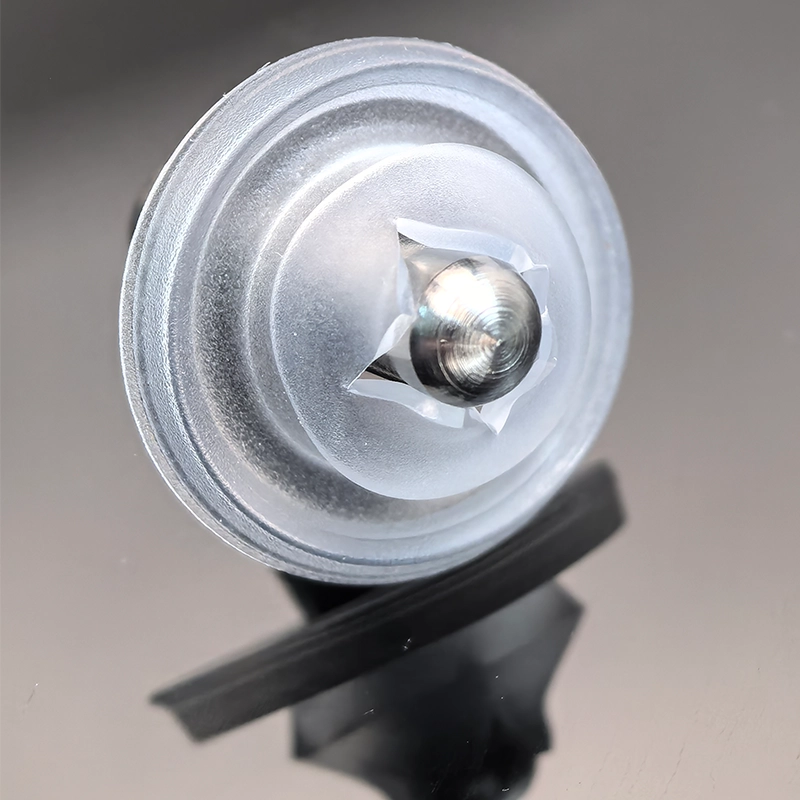
A cross slit valve is a valve commonly used in various industries where fluid or air flow needs to be controlled without leaks or backflow. It is characterized by its simple yet efficient design: a cross-shaped slit in the valve body that opens when pressure is applied and automatically closes when the pressure is released. This self-sealing mechanism is particularly useful for applications where minimizing leakage and controlling flow without complex mechanisms is critical.
These valves are used in a variety of products, including medical devices, beverage dispensing, household appliances, and automotive applications. Their versatility and reliability make them a go-to choice for engineers and designers seeking high-quality performance in fluid control.
2. How Do Cross Slit Valves Work? (Working Principle)
Cross slit valves are simple yet effective in their operation. Here’s how they function:
- When pressure is applied to the valve, the cross slit opens, allowing fluid or air to pass through.
- Once the pressure is removed, the silicone or rubber material returns to its original shape, automatically sealing the slit and stopping the flow.
This self-sealing action is what makes the cross slit valve so effective for applications where leakage prevention and precise flow control are essential. It is widely used in applications where the valve needs to function without any external power or complex mechanisms, making it ideal for low-maintenance, high-efficiency environments.
Key Functional Benefits:
- Self-sealing capability: Ensures no backflow or leakage when not in use.
- Simplicity of design: Fewer moving parts means lower risk of malfunction.
- Effective flow control: Works well for precise, controlled fluid delivery.
- Low maintenance: Minimal wear and tear due to the lack of complex moving parts.

3. Key Advantages of Cross Slit Valves (Why Choose It?)
3.1 Leak Prevention & Self-Sealing
The self-sealing feature of a cross slit valve is its most significant advantage. When the pressure is removed, the valve automatically closes, preventing any unwanted backflow or leakage. This is especially important in fluid handling systems where leaks could result in contamination or damage to surrounding components.
3.2 High Durability & Low Maintenance
Unlike more complex mechanical valves, cross slit valves have fewer moving parts, which reduces the chances of malfunction and minimizes maintenance needs. Silicone air valves and rubber valves made from high-quality materials can withstand thousands of cycles, making them ideal for long-term use in various applications.
3.3 Precision Flow Control
Cross slit valves allow for precise control over the flow of air, gas, or liquids. The valve’s ability to open and close automatically based on pressure ensures consistent flow, making it ideal for systems where flow regulation is critical.
3.4 Versatile Applications
These valves can be customized to fit a variety of applications, from medical devices to consumer goods and industrial equipment. Cross slit valves are particularly well-suited for applications in fluid control systems where precision, reliability, and low maintenance are required.
4. Cross Slit Valve Types & Installation
Installation & Best Practices
When installing a cross slit valve, it is important to consider factors such as the valve’s pressure rating, size, and compatibility with the materials it will come into contact with. Proper installation ensures optimal performance and longevity of the valve.
Best practices include:
- Ensuring the slit valve is aligned correctly within the system
- Avoiding over-compression of the elastomer material, which could lead to premature wear
- Testing the valve under the operating conditions to ensure proper sealing and flow control
Working with an experienced manufacturer like Silfusion ensures that the valve meets your specific application needs and provides reliable performance in real-world conditions.
5. Cross Slit Valve vs. Other Valve Types (Comparison Guide)
Cross Slit Valve vs. Duckbill Valve
Both cross slit valves and duckbill valves are self-sealing valves, but they operate differently. Duckbill valves are often used in situations where a simple one-way flow is needed, and they are better suited for larger openings. Cross slit valves, on the other hand, provide more precision and are better for systems requiring more controlled fluid flow and sealing.
Cross Slit Valve vs. Umbrella Valve
Umbrella valves provide a broader sealing surface and are commonly used in systems where a wider seal is required, such as in larger industrial applications. Cross slit valves, with their cross-shaped slit, are generally more compact and easier to integrate into smaller spaces, offering a more effective seal under moderate pressure.
Cross Slit Valve vs. Mechanical Valve
While mechanical valves can offer precise control and are often more adjustable, they are more complex and may require more maintenance. Cross slit valves are simpler, with fewer moving parts, making them more durable and easier to maintain.
Cross Slit Valve vs. Rubber and Silicone Valves
Both rubber valves and silicone air valves are ideal for flexible applications. However, silicone valves are often preferred for high-temperature environments due to their better thermal stability and durability. Rubber valves may be better suited for specific low-cost, flexible applications but might lack the durability of silicone in extreme conditions.
6. Conclusion: Is a Cross Slit Valve Right for Your Needs?
Cross slit valves are a cost-effective, low-maintenance solution for many fluid control applications. Their self-sealing design, combined with durability and precise flow control, makes them an excellent choice for applications where reliability and ease of use are essential. Whether you are developing a product for high quality fluid control or need a simple yet effective solution, a silicone cross slit valve might be the right fit for your needs.
At Silfusion, we specialize in providing custom valve solutions for various industries, including rubber valves and silicone air valves. With custom service available for tailored designs, we are here to help you find the best valve for your project. If you are looking for a high-quality valve, or need assistance in selecting the right valve, don’t hesitate to contact us. Our team is ready to help guide you through the selection process and provide expert support.


 English