
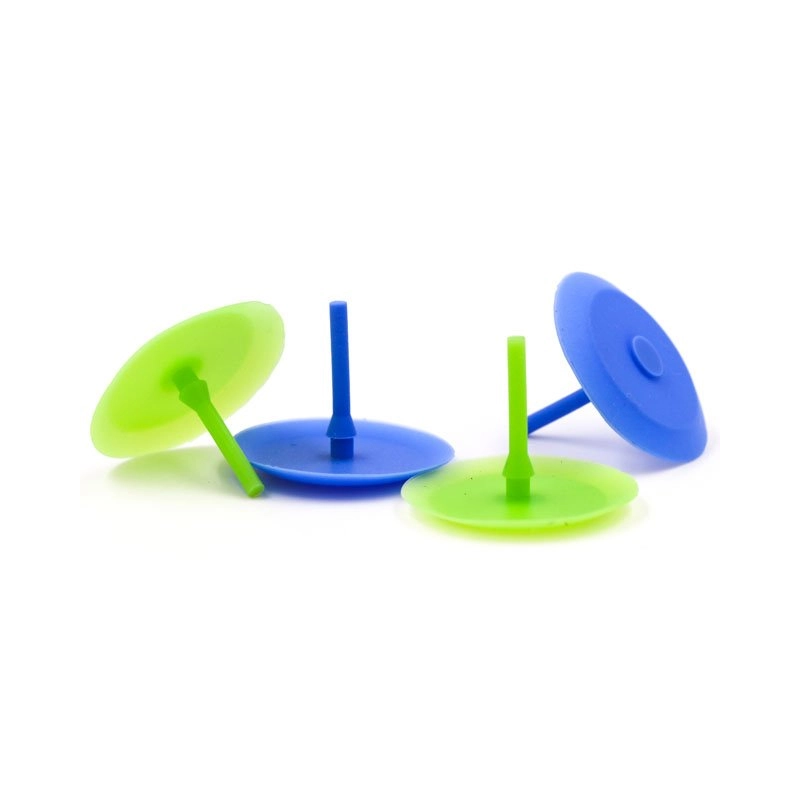
Are you evaluating one-way valve options for a new medical device, pump, or consumer product and wondering whether an umbrella valve is the right fit? At Silfusion, we design and manufacture high-performance elastomeric valves every day — including umbrella check valves and silicone umbrella valves — and we’d be glad to walk you through what makes this family of valves special and how manufacturing choices affect real-world performance.
What is an umbrella valve?
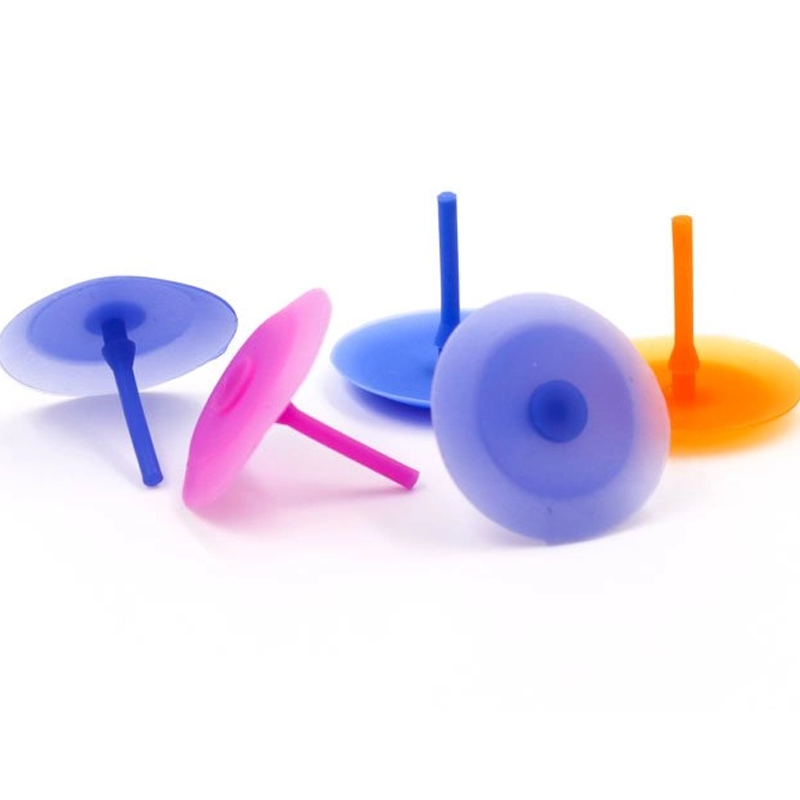
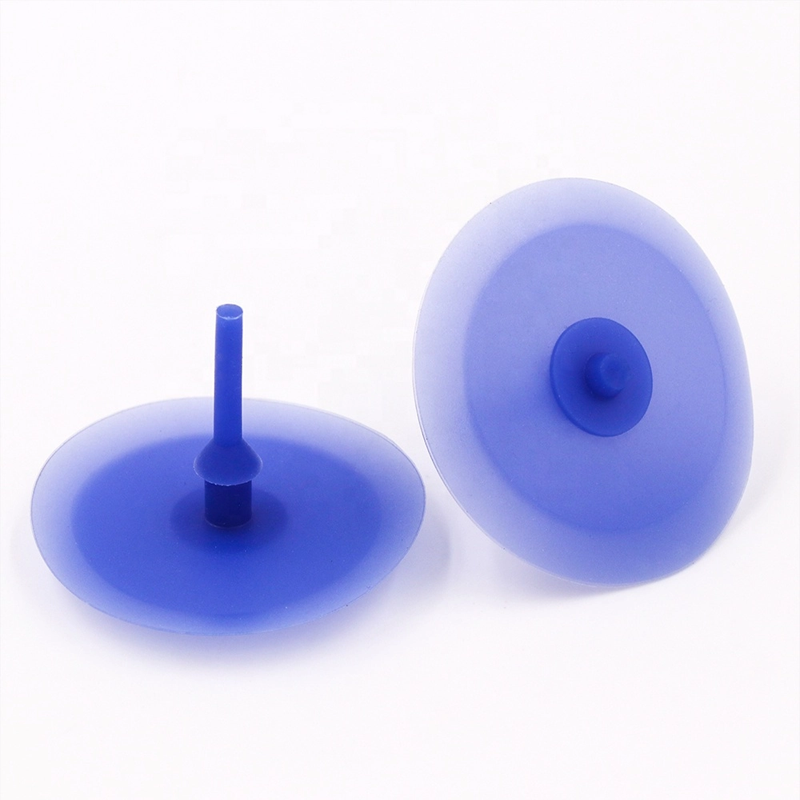
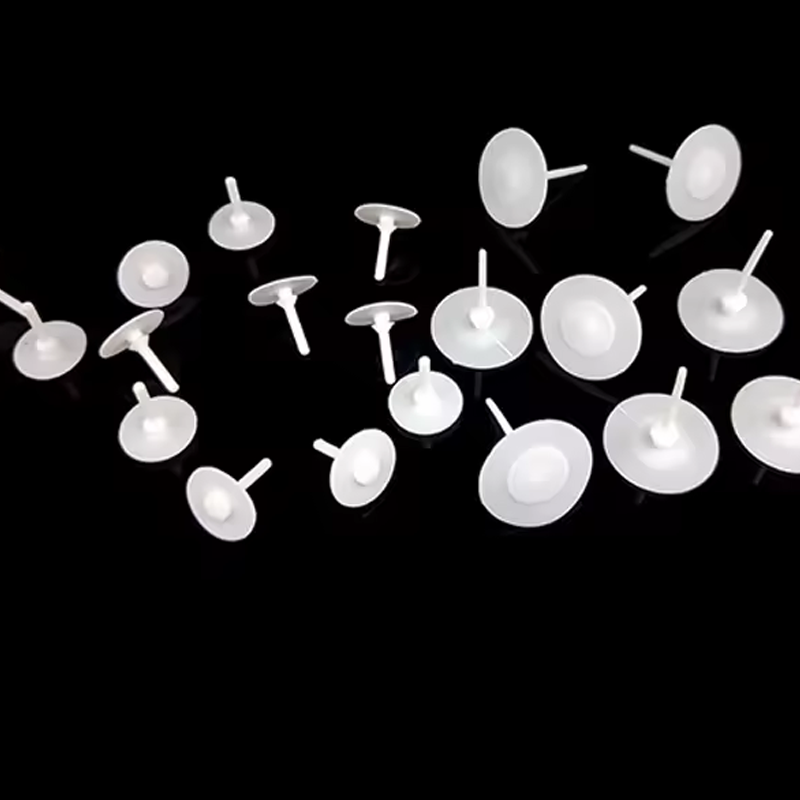
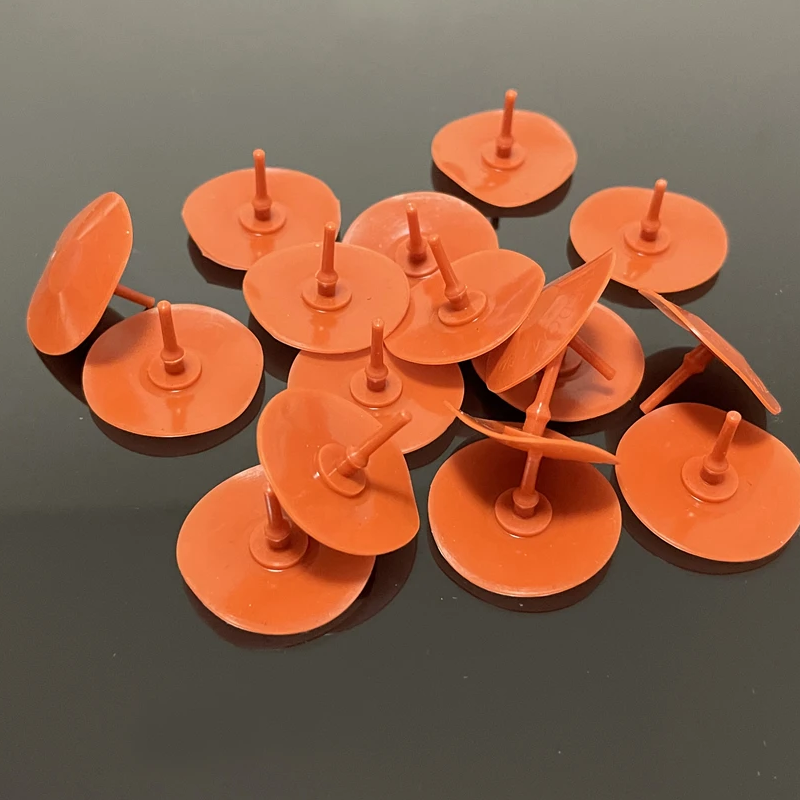
An umbrella valve (sometimes called a mushroom valve, membrane valve, or diaphragm valve) is a one-way, passive sealing device that permits flow in a single direction and reliably blocks reverse flow. Its defining element is a thin, flexible “umbrella” skirt or membrane that lifts under forward pressure to allow flow and reseats tightly against a port or seat when pressure drops or reverses. Because the elastomer itself provides both the sealing surface and the restoring force, umbrella valves operate without springs or additional mechanical parts — a major advantage in compact, low-maintenance systems.
Why engineers choose umbrella check valves
Umbrella check valves are selected when designers need a compact, lightweight, low-pressure, and quiet one-way solution. Typical strengths include:
- Very low cracking pressure: Umbrella valves open with very small differential pressures (often fractions of a psi up to a few psi), which is essential for sensitive pumps, respiratory circuits, micro-pumps and gravity-fed dispensers.
- Compact footprint: The one-piece, soft-component design fits into small housings and is easily overmolded into assemblies.
- Quiet, maintenance-free operation: No metal springs or moving parts means long life and statistically lower failure modes in clean or controlled environments.
- Biocompatibility and sterilization compatibility: When molded from medical-grade silicone, they meet the needs of many clinical and laboratory applications.
Typical applications
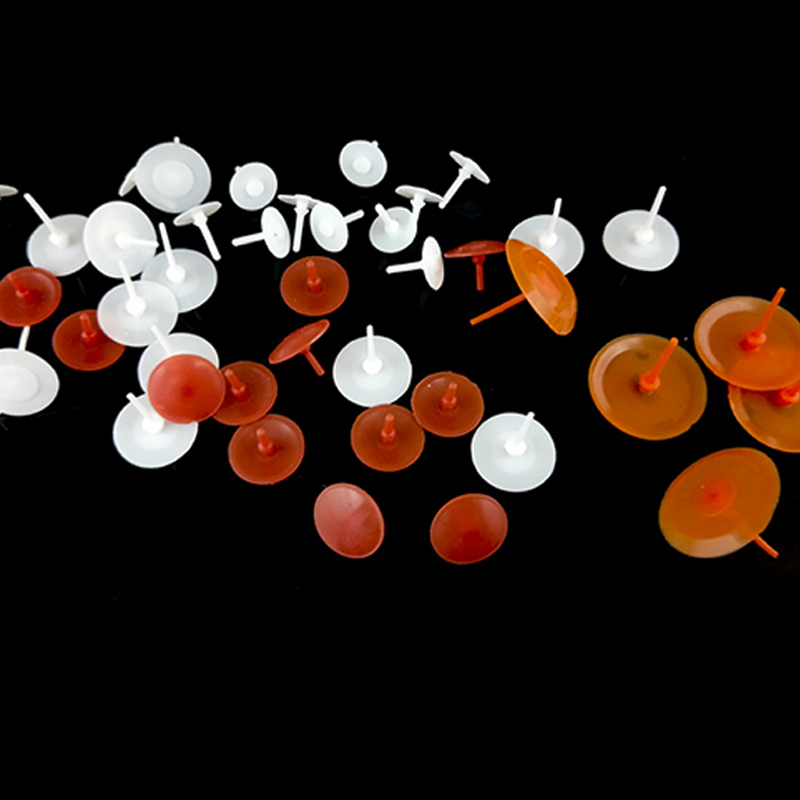
Umbrella valves appear across three broad sectors:
Medical & Life Sciences — patient breathing valves (expiratory/inspiratory), disposable anesthesia circuits, resuscitators, single-use cartridges, infusion and sampling lines. Their low dead volume and low cracking pressure make them ideal for precise respiratory and microfluidic control.
Automotive & Industrial — vent valves for fuel tanks and evaporative emission control, diaphragm pump check valves, and small pneumatic circuits. For fuels and hydrocarbons, fluoroelastomers are preferred.
Consumer & Appliances — pressure-relief and dispensing valves in coffee machines, beverage dispensers, toys and cosmetic pumps where quiet, repeated operation is required.
Materials and material selection
Material choice determines chemical resistance, operating temperature, sterilization method, and longevity.
- Medical-grade silicone (VMQ / LSR): Excellent biocompatibility (many grades available with FDA and USP Class VI documentation), wide temperature range, and strong elastic recovery. VMQ is the default for respiratory and many fluidic medical valves.
- Fluorosilicone (FVMQ) and FKM (Viton®): Used where hydrocarbons, fuels, oils, or aggressive solvents are present. FVMQ offers a middle ground — silicone-like elasticity with improved fuel/oil resistance.
- EPDM / NBR: Selected when steam or certain aqueous chemistries dominate — less common for medical single-use parts but useful in other environments.
Durometer (hardness) is typically tuned to balance sealing vs. cracking pressure — common ranges for umbrella check valves are 30–70 Shore A depending on application and required sensitivity.
Structure and working principle
Although simple in concept, performance depends on a few critical geometry and material parameters:
- Skirt thickness and profile: Thinner skirts open easier (lower cracking pressure) but may be less durable. Variable-thickness skirts or tapered profiles can control the flow curve and durability.
- Effective flow area: The aperture size under the umbrella dictates flow capacity and pressure drop. Larger area reduces flow resistance but affects sealing behavior.
- Preload / sealing lip contact: A designed preload (how tightly the lip rests on the seat) controls initial leak-tightness and cracking pressure.
- Material modulus and elastic recovery: Stiffer elastomers raise cracking pressure and improve resistance to pressure spikes; softer elastomers reduce opening force and improve sensitivity.
- Seat geometry & mating surface: A well-matched seat ensures repeatable sealing and reduces risk of micro-leak paths.
Design optimization is a balance: sensitivity, lifetime (cycle count), chemical compatibility, and manufacturing repeatability.
Manufacturing: why process matters
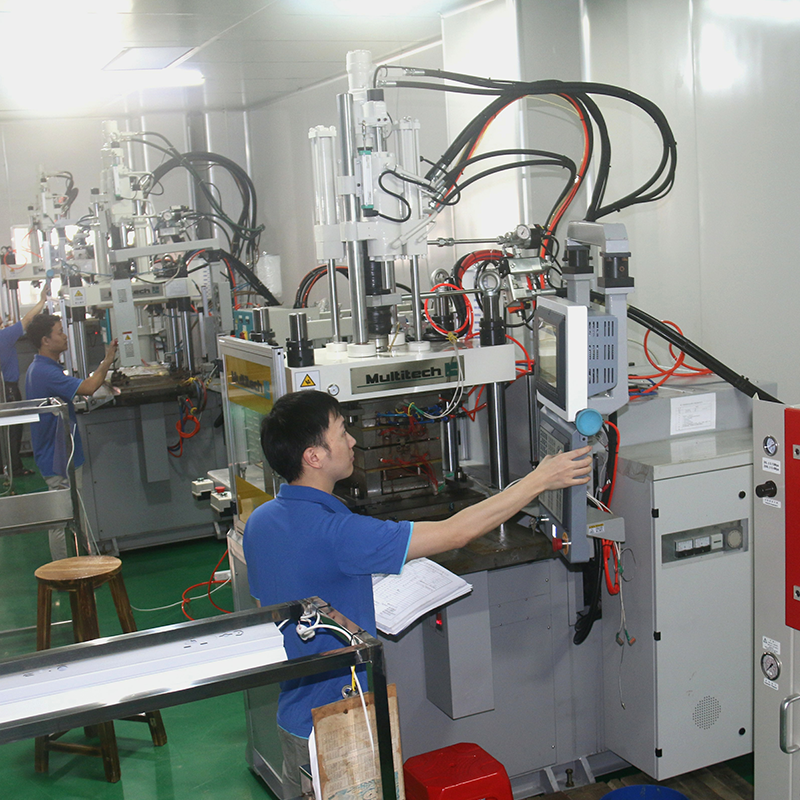
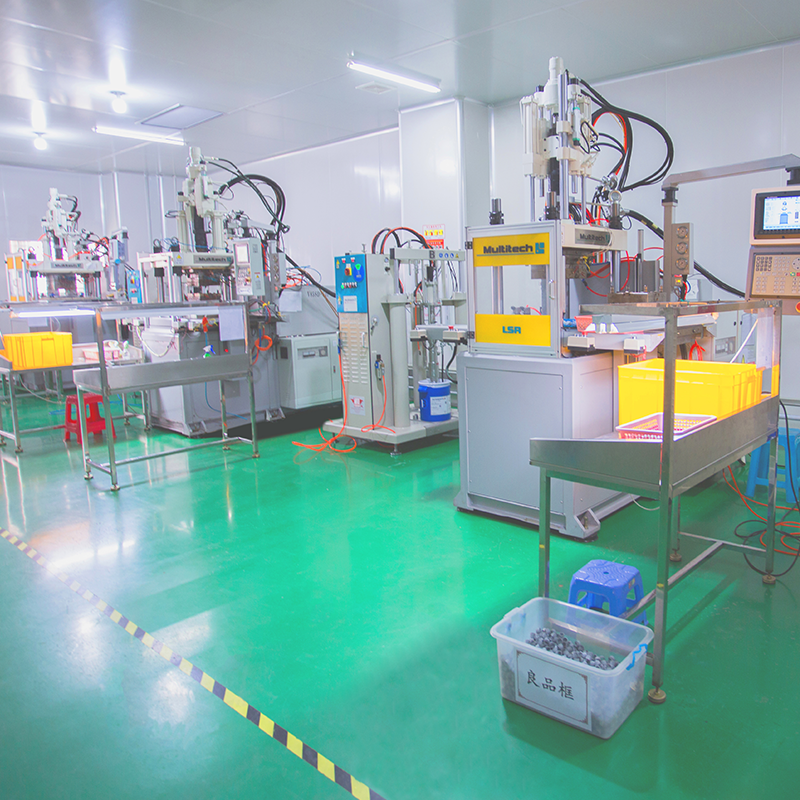
At Silfusion we produce umbrella check valves primarily using silicone rubber injection molding (LSR) for medical-grade parts and high-volume consumer parts. Key manufacturing considerations:
- LSR injection molding delivers tight dimensional control, consistent wall thickness, excellent surface finish and biocompatible processing (platinum-cured LSR where required). It supports multi-cavity tooling for volume without sacrificing precision.
- Overmolding / insert molding lets us integrate the valve into rigid housings or assemblies, eliminating assembly steps and potential leak paths.
- Compression/transfer molding may be used for low-volume or large-format diaphragms but offers less dimensional repeatability than LSR.
- Post-cure and secondary processing: Proper post-cure removes residual volatiles and stabilizes mechanical properties — essential for sterilization compatibility.
- Tooling design: Mold cavities, runners, and venting directly affect skirt integrity and slit precision; Silfusion invests in precision tooling to minimize flash and maintain consistent cracking pressures.
Testing and quality control
Valve performance must be validated with a set of functional and material tests:
- Cracking pressure distribution: Measure crack-open and reseat pressures across production lots.
- Leak tests: Static backpressure and dynamic pulsation testing ensure leak-proof behavior at rated conditions.
- Cycle life testing: Accelerated cycling to verify millions of cycles where required.
- Burst and overpressure testing: Confirms safety margins for extreme events.
- Material and biocompatibility documentation: Certificates of analysis (CoA), USP/FDA compliance statements, and extractables/leachables data where required.
- Dimensional inspection and AOI: Automated optical inspection for slit geometry and visual defects; CMM or optical gauges for critical dimensions.
Design tips for OEM engineers
- Start by defining the required cracking pressure, maximum backpressure, and desired flow rate; these drive geometry and material durometer.
- Specify sterilization method early — autoclave, gamma, EtO or SIP compatibility affects material selection and process controls.
- Consider overmolding the umbrella valve into the housing to minimize assembly and leak risk.
- Ask for production samples and a measured crack pressure histogram rather than a single data point.
- Validate with application-specific tests (e.g., breathing circuits must be tested with gas flow, humidified conditions and cycling).
Why partner with Silfusion?
As a dedicated manufacturer of elastomeric valves, Silfusion couples engineering, tooling and high-precision silicone rubber injection molding to deliver devices optimized for the intended service. We offer design consultation, rapid prototyping, material qualification, and full production support — from low-volume medical runs to high-volume consumer programs. Our quality systems ensure traceability, batch documentation, and the testing data your project requires.
If you’re considering an umbrella check valve or silicone umbrella valve for an OEM product — whether it’s a ventilator, micro-pump, fuel tank vent, or household appliance — reach out. Tell us your performance targets and operating conditions and we’ll provide a manufacturable design, material recommendation, and production plan tailored to your timelines and regulatory needs.
Contact Silfusion today for a technical review, prototype quote, or to request validated samples — we’re ready to help you turn a good valve concept into reliable production reality.


 English