
Are you choosing a dog bowl for your pet line or sourcing private-label pet feeders? At Silfusion, we manufacture custom silicone dog bowls and provide OEM service from prototype to high-volume production. This guide walks through the best materials for dog bowls, practical pros and cons, manufacturing notes for silicone bowls, and answers common customer questions so you can pick the right material for your brand or household.
The 5 Best Dog Bowl Materials
When evaluating materials, consider safety, durability, cleanability, heat resistance, cost and aesthetics. Here are five popular choices used by pet owners and brands:
1. Silicone
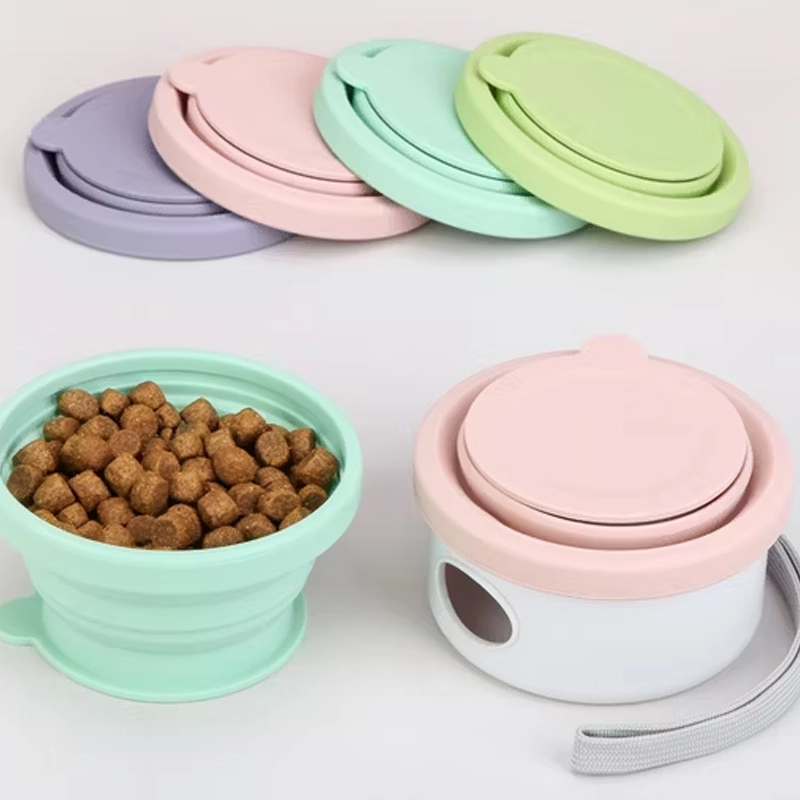
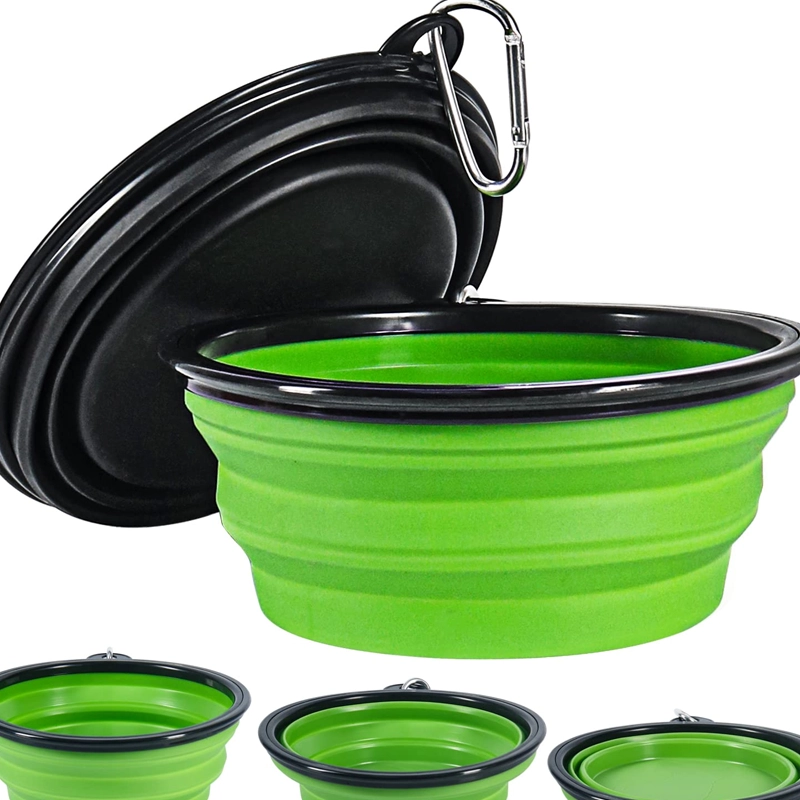
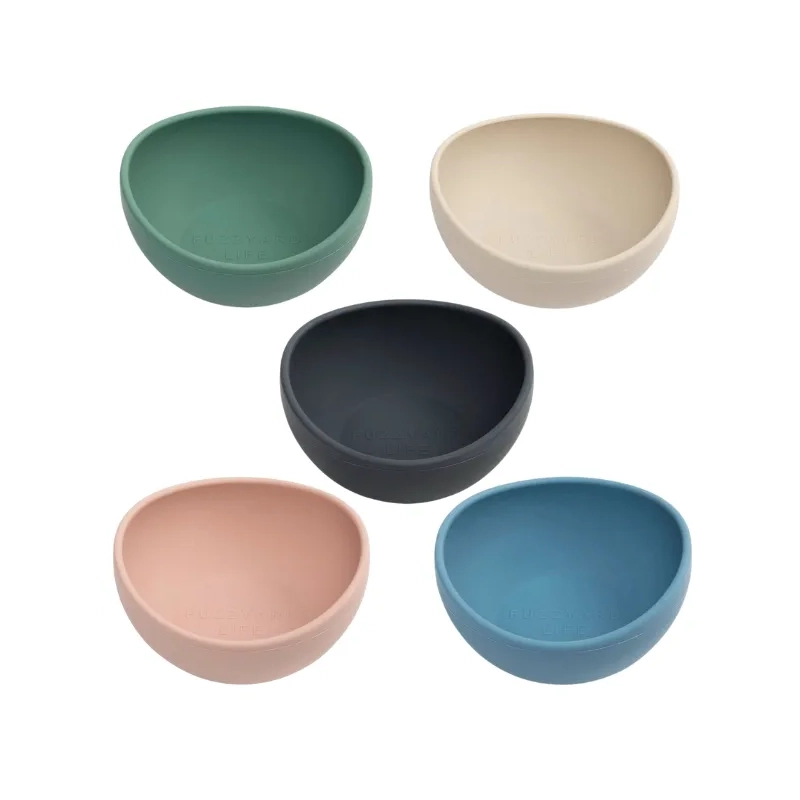
Silicone is flexible, non-porous, lightweight, and often collapsible — ideal for travel bowls and for brands that want bright colors and soft edges. Food-grade silicone (platinum-cured LSR or medical-grade VMQ) resists stains and odors, tolerates dishwasher and microwave cycles, and won’t shatter if dropped. Silicone bowls are also easy to customize with molded logos, colors, and textured anti-slip bases.
Pros: Soft, flexible, easy to clean, collapsible options, excellent customization.
Cons: Can be chewed by aggressive chewers, more expensive than basic plastics.
2. Stainless Steel
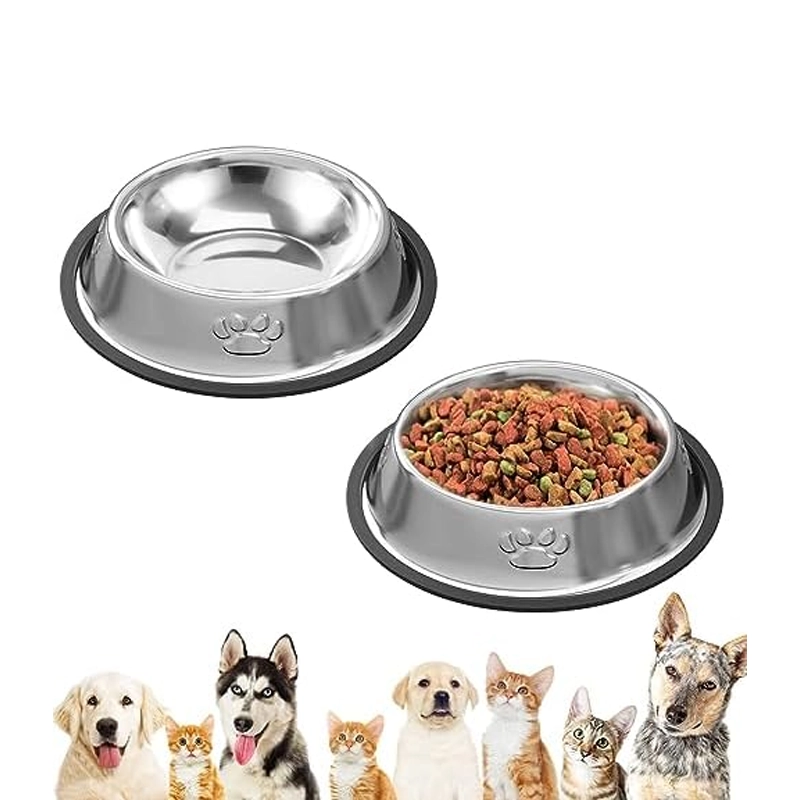
Stainless steel is the gold standard for durability and hygiene. 18/8 or 304 stainless is corrosion-resistant, heavy enough to resist tipping, and non-porous so bacteria won’t grow in scratches as readily as in plastic. Steel bowls are common in shelters, veterinary clinics, and premium retail lines.
Pros: Extremely durable, easy to sanitize, long lifespan.
Cons: Can be noisy, gets hot/cold with ambient temperatures, limited aesthetic options without coatings.
3. High-Quality Food-Grade Plastic (BPA-Free)
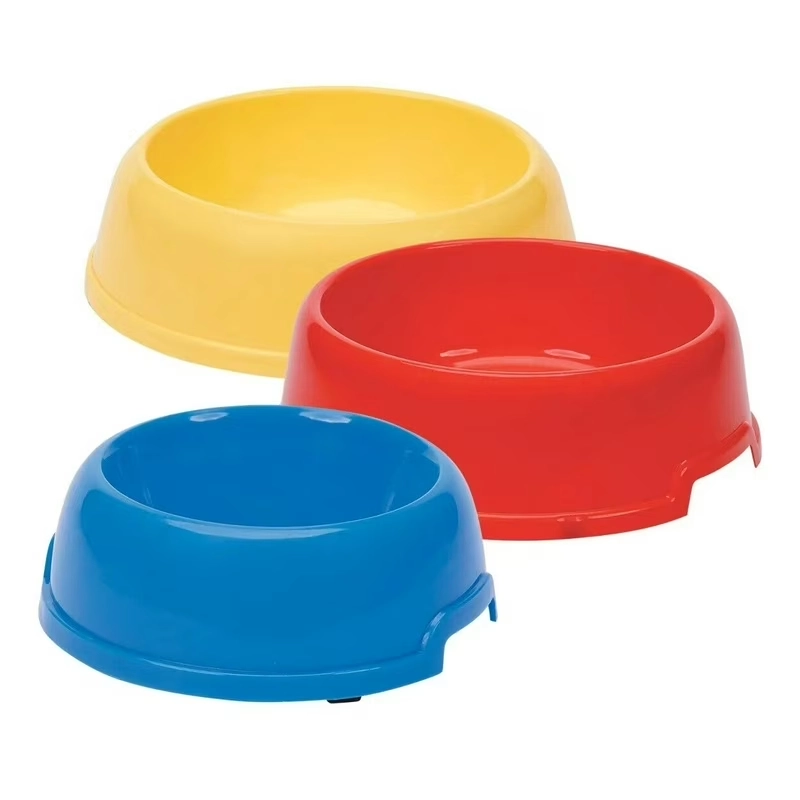
Modern polyethylene or polypropylene bowls can be lightweight, inexpensive, and impact-resistant. Choose hard, food-grade, BPA-free plastics that withstand repeated washing. Plastic is useful for travel sets and budget-friendly retail SKUs.
Pros: Cheap, light, resilient to drops.
Cons: Can retain scratches and odors; some plastics degrade with heat.
4. Natural or Composite Materials (Bamboo, Wood Composite)
Eco-friendly bowls made from bamboo fiber or wood-plastic composites offer a natural look and modest environmental benefits. They are often combined with a sealed interior for hygiene.
Pros: Sustainable appeal, unique aesthetics.
Cons: Less durable than steel or silicone; check for sealing and food safety certifications.
Which Material Is the Best Choice?
There’s no single “best” material — it depends on use case:
- For everyday home use and highest hygiene: stainless steel.
- For travel, collapsible convenience, and colorful retail lines: silicone.
- For premium home decor: ceramic (with durable, food-safe glaze).
- For low-cost, disposable, or large-volume promotional SKUs: BPA-free plastic.
If you sell to pet parents who want both convenience and safety, offering a silicone travel bowl and a stainless steel home bowl together is a common and effective combo.
FAQs
Is Silicone Safe For Pets?
Yes — when it is medical- or food-grade silicone (platinum-cured LSR) and supplied with Certificates of Analysis (CoA) showing compliance to standards (e.g., FDA food contact, LFGB where applicable). Avoid non-certified low-cost silicones; ensure traceability from suppliers and batch testing for extractables.
May I Custom Logo In The Silicone Dog Bowls?
Absolutely. At Silfusion we provide custom silicone dog bowls with options for molded logos, color matching, pad printing, or overmolded contrast elements. Logos can be recessed or raised as part of the tooling, or applied post-molding with durable inks.
What’s The Manufacturing Process of Silicone Dog Bowls?
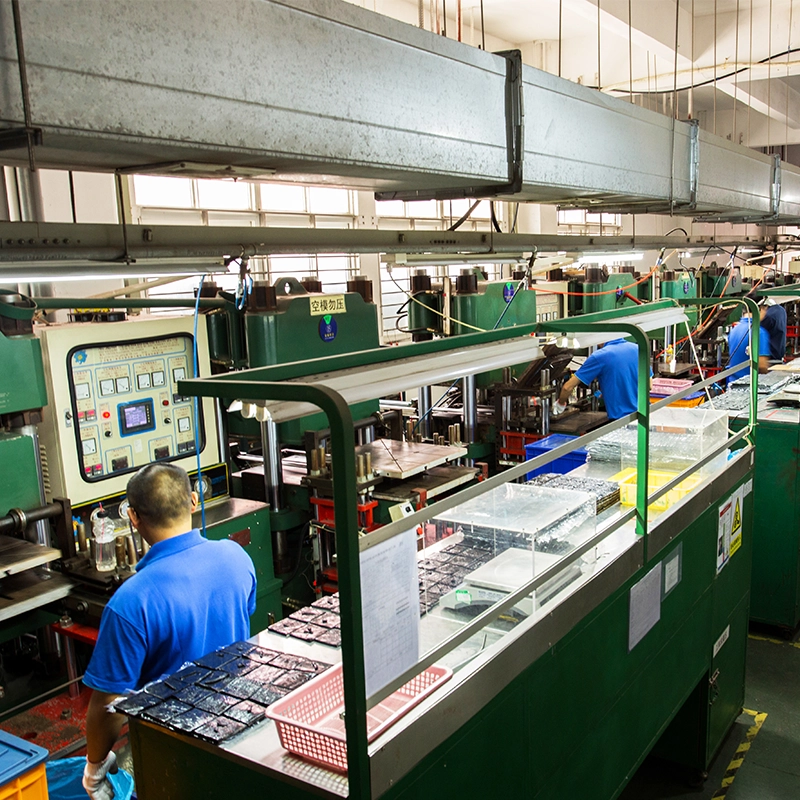
A typical production flow for silicone dog bowls at our factory:
- Design & DFM — finalize bowl geometry, wall thickness, venting, and customization features (logo, texture).
- Tooling — build LSR injection molds (single or multi-cavity) sized to part complexity and volumes.
- Material Prep — source certified food-grade LSR, run incoming batch checks and CoAs.
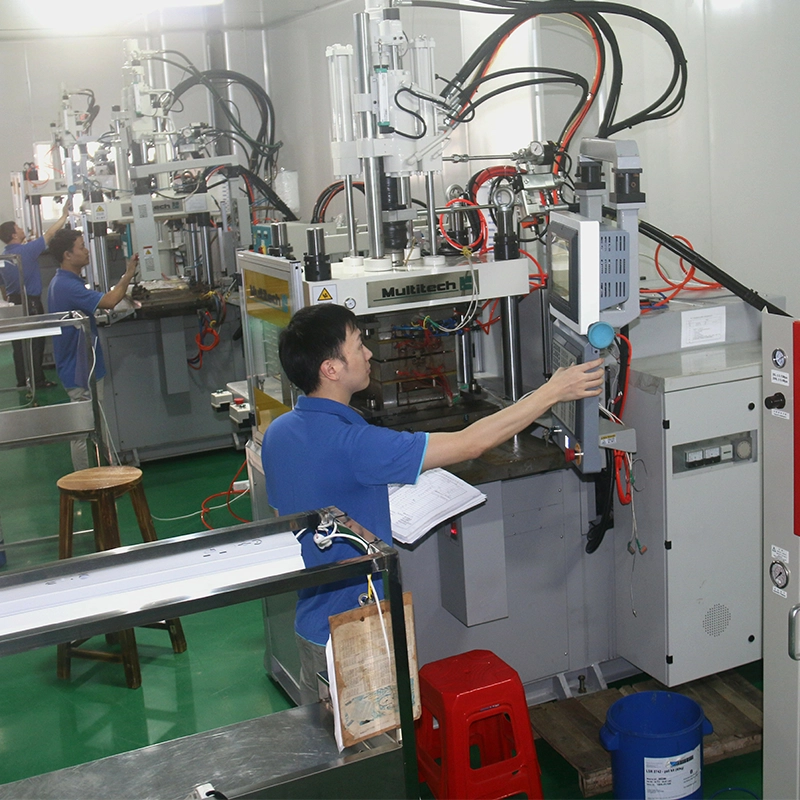
- LSR Injection Molding — two-component metered LSR is injected into heated molds; fine features like collapsible ribs and anti-slip textures are captured precisely.
- Post-Cure — controlled thermal cure to stabilize properties and minimize extractables.
- Trim & Inspection — remove flash, visual check, dimensional sampling, and functional tests (collapse tests, dishwasher cycles).
- Printing / Decorating — pad printing or laser marking for logos if required.
- Packaging & Traceability — lot coding, labeling with compliance certificates, and OEM packaging (private label boxes, inserts).
Silfusion’s one-stop OEM service includes mold design, prototyping, pilot runs, and scale production with supplier management and QC reporting.


 English