
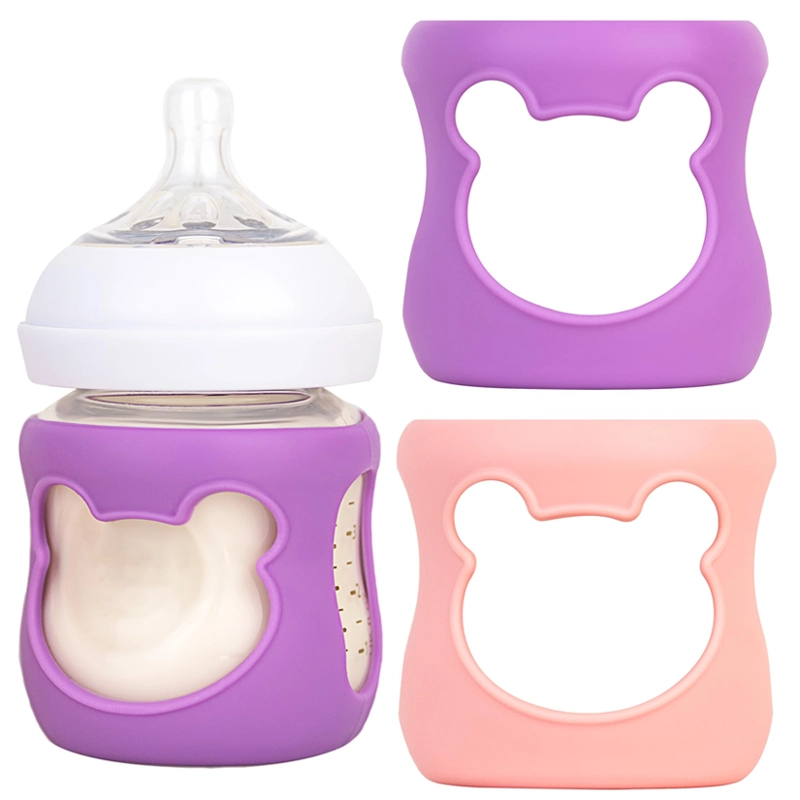
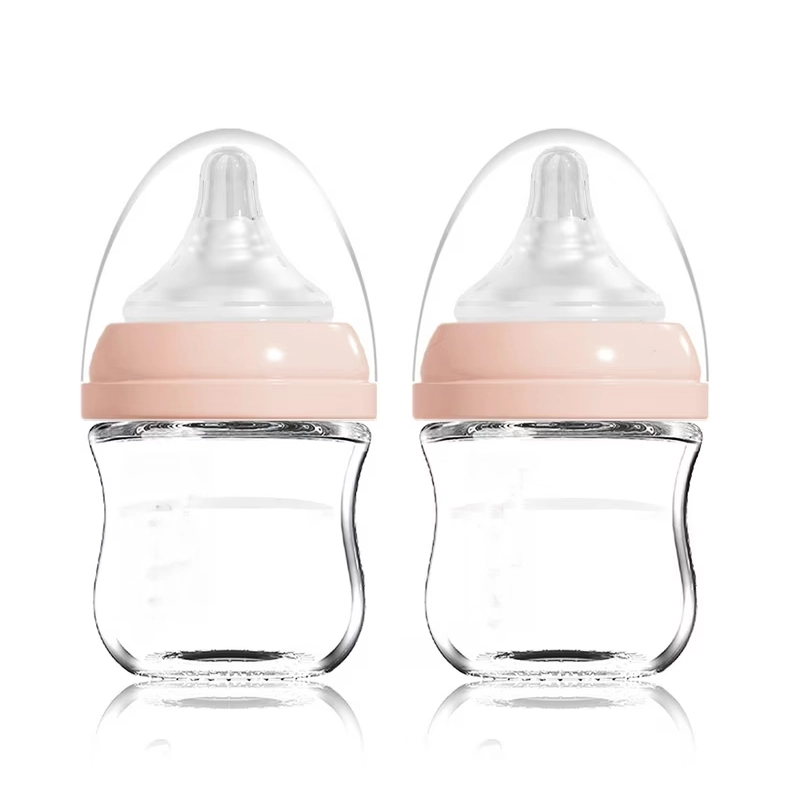
At Silfusion we work with brands and global suppliers to develop safe, high-performance custom baby bottles. Choosing the right bottle material affects infant health, product longevity, regulatory compliance, and brand trust. This guide compares silicone with plastic and glass across safety, performance, and manufacturing — and explains why many B2B buyers and manufacturers now favor silicone for modern baby feeding systems.
What Are the Key Differences Between Materials?
When selecting bottle material, evaluate three core dimensions: heat resistance, durability (wear & tear), and eco-friendliness.
Heat Resistance
- Silicone: Food-grade, platinum-cured silicone tolerates a wide temperature range (freezer to sterilization). It resists thermal degradation, so bottles can be boiled, steam-sterilized, or undergo dishwasher cycles without losing mechanical properties or leaching chemicals.
- Plastic: Many plastics (e.g., polypropylene) are oven/sterilizer-safe to a degree, but lower-cost resins or poorly formulated blends can deform or release additives under high heat. Avoid plastics that are not explicitly rated for sterilization.
- Glass: Glass is inherently heat-stable and chemically inert; it withstands repeated sterilization with no degradation. However, thermal shock (e.g., sudden temperature change) can cause breakage unless tempered or handled carefully.
Durability (Wear & Tear)
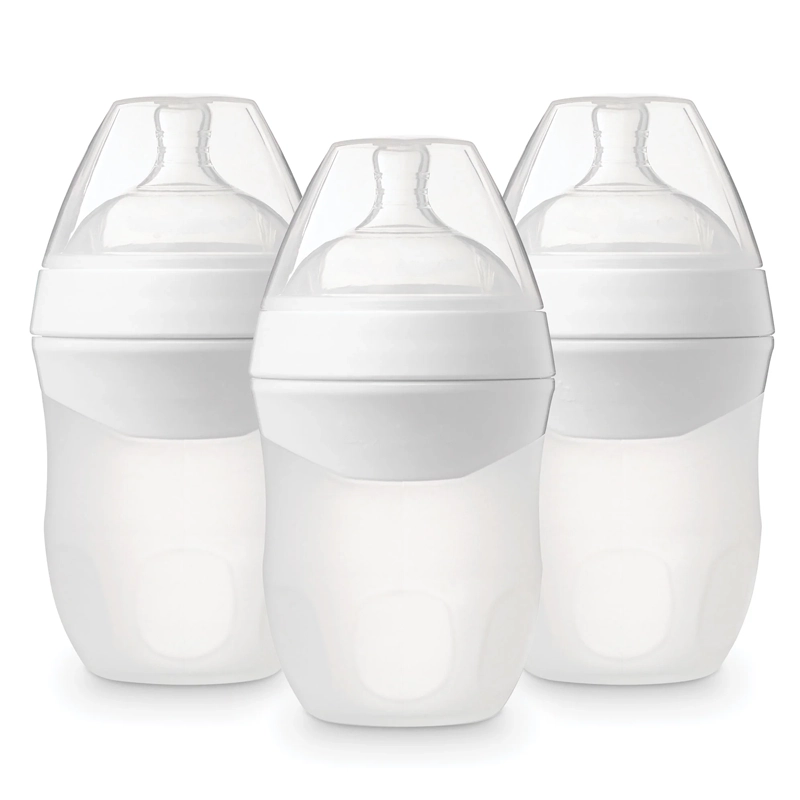
- Silicone: Highly flexible and impact-resistant; drops don’t shatter bottles. Silicone resists cracking and maintains shape over many cycles — reducing warranty returns and improving perceived product value.
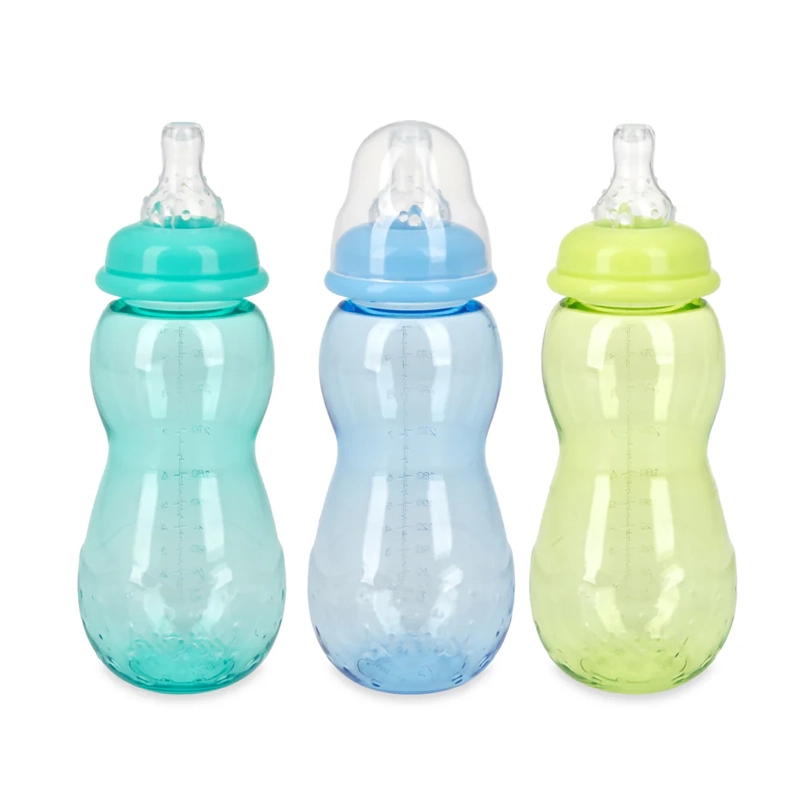
- Plastic: Lightweight and inexpensive, but prone to scratches, discoloration, and brittleness over time — especially when exposed to repeated heat cycles or aggressive detergents.
- Glass: Excellent long-term chemical stability but prone to breakage from impact; heavier weight increases shipping/handling considerations.
Eco-Friendliness
- Silicone: Not widely recycled in municipal streams today, but its long service life reduces single-use waste. High-quality silicone can be repurposed in the home and often justifies a premium, sustainable messaging strategy.
- Plastic: Recyclability varies by resin; many consumers are wary of single-use plastics. From a brand perspective, using recyclable, certified resins helps but does not fully eliminate sustainability concerns.
- Glass: Highly recyclable and inert; excellent sustainability credentials if logistics and breakage rates are managed.
The Best Glass, Plastic & Silicone Bottles — When to Choose What
- Choose silicone for lightweight, drop-resistant bottles that need to survive frequent sterilization and appeal to active families or travel markets.
- Choose glass where full chemical inertness and premium positioning matter (e.g., luxury baby lines), and you can mitigate breakage risk with protective sleeves.
- Choose plastic for ultra-low-cost SKUs or disposable/short-term use, but insist on medically rated, BPA-free resins and documented migration testing.
What’s the Manufacturing Process of Silicone Baby Bottles
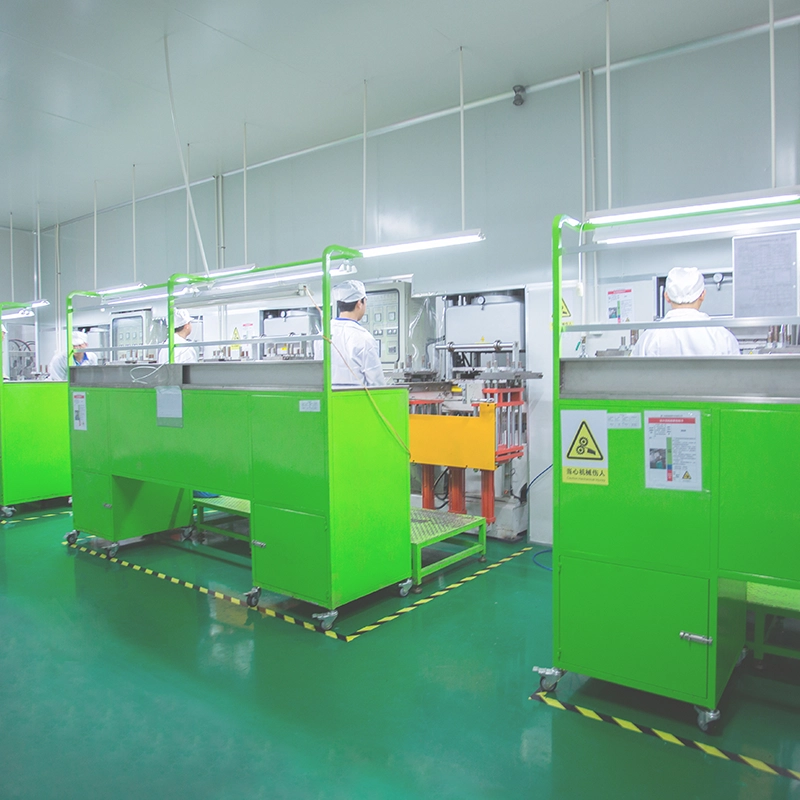
For buyers evaluating manufacturers, the production steps matter as much as material selection. Typical high-quality silicone bottle manufacturing flow:
- Compound selection: Select platinum-cured, food- or medical-grade LSR / HCR with low extractables and documented test reports.
- Tooling & prototyping: CNC-machined molds; rapid prototypes (soft tooling) validate form and function.
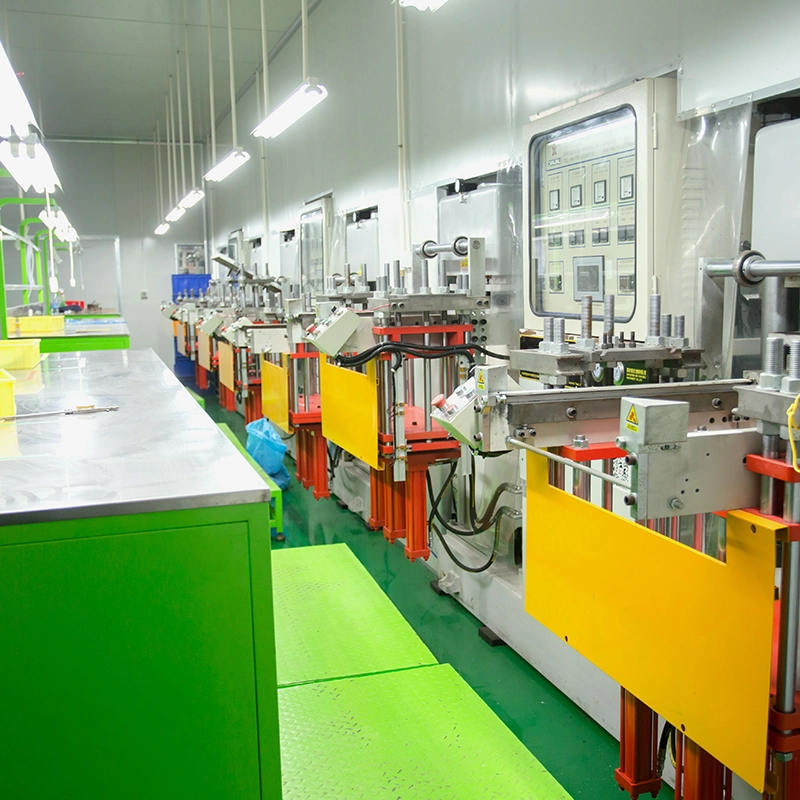
- Molding: Liquid Silicone Rubber Injection Molding (LSR/LIM) enables seamless, one-piece bottles or multi-component assemblies with integrated nipples, handles, or anti-colic features. Compression molding is used for thicker-walled parts.
- Overmolding & assembly: Combine silicone with rigid components (measurement windows, PP cap threads) using insert or overmolding techniques.
- Post-cure & washing: Controlled post-cure stabilizes material; automated washing removes mold residues and prepares parts for packaging.
- Testing & certification: Chemical migration, extractables, tensile/tear and collapse testing, and sterility/biocompatibility tests where relevant.
- Packaging & traceability: Lot-coded packaging, instruction leaflets, and sterilized packaging options for hospital or medical channels.
As a manufacturer or factory, ensure your supplier provides Certificates of Analysis (CoA), material traceability, and test reports aligned with FDA, EU, or regional regulations.
Frequently Asked Questions About Baby Bottle Materials
Is silicone safer than hard plastic?
Yes — when manufactured from certified, platinum-cured food- or medical-grade silicone, silicone offers superior thermal stability and very low extractables compared with many plastics. That said, high-quality medical-grade plastics (e.g., PP with appropriate certification) can also be safe — but silicone provides broader sterilization options and drop resistance.
Can I custom my silicone baby bottles?
Absolutely. Manufacturers offering OEM services can produce custom baby bottles with branded colors, integrated measurement windows, unique ergonomic shapes, and multi-component assemblies (silicone body + PP cap). Ask potential suppliers for DFM feedback, tooling lead times, and minimum order quantities.
What qualifications does a silicone baby bottle have?
For B2B procurement, require suppliers to provide:
- Material CoAs (FDA, EU food-contact/LFGB as applicable)
- Migration and heavy metal testing reports
- Mechanical performance data (tear strength, compression set)
- Biocompatibility tests if intended for medical use
- Process controls and lot traceability
Conclusion
Silicone baby bottles combine safety, durability, and user convenience — especially for brands focused on sterilization, portability, and modern design. Glass remains the gold standard for chemical inertness, ideal for premium lines, while plastic serves low-cost and disposable use-cases when properly certified.
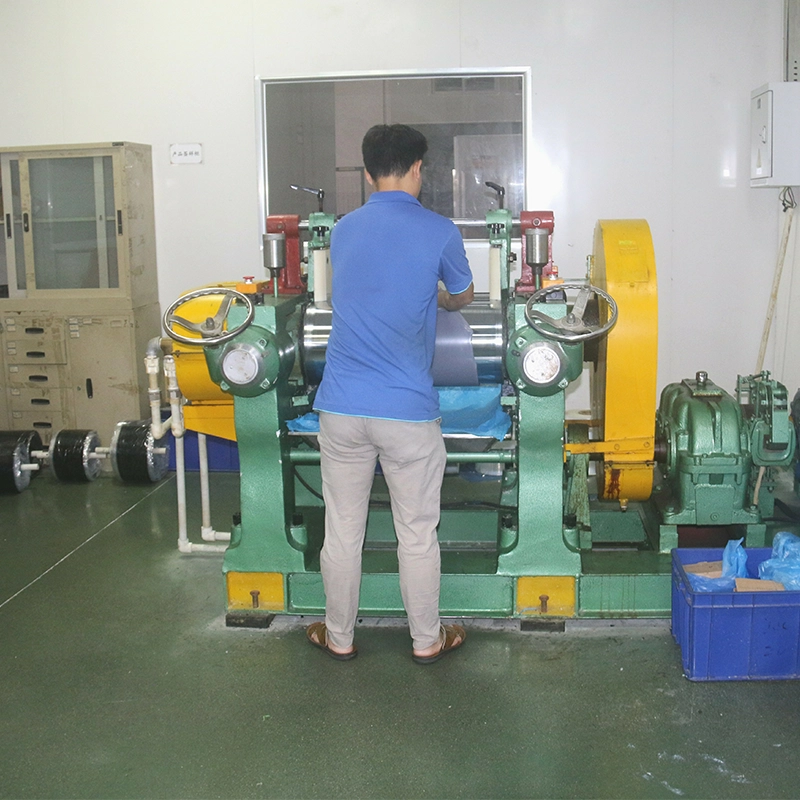
At Silfusion, we offer end-to-end OEM service: from material selection and DFM to LSR molding, testing, and compliant packaging. As a trusted manufacturer and factory for baby feeding products, we help global suppliers turn concepts into certified, market-ready SKUs.
Ready to develop a custom silicone baby bottle? Contact Silfusion to request a feasibility review, sample tooling plan, or compliance package. Tell us your target volumes and certification needs — we’ll propose a manufacturable design and timeline.


 English