
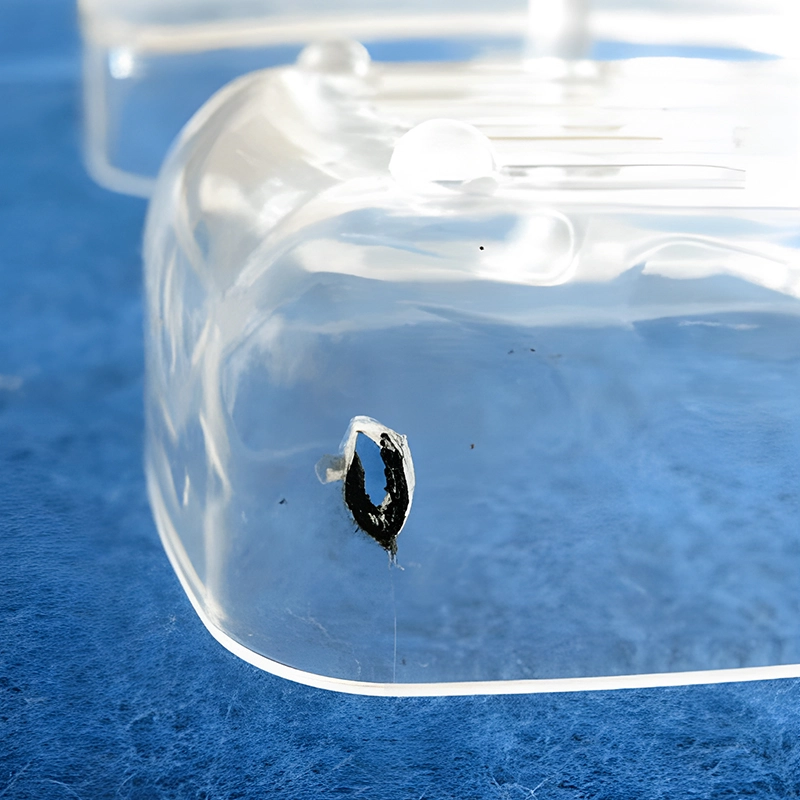
Injection molding—whether for plastic injection molding or silicone rubber injection molding—is a highly efficient and precise manufacturing process, but even the most advanced systems can encounter a few bumps along the way. One of the most common and troublesome issues? Burn marks. These unsightly, dark streaks or discolorations on molded plastic parts can affect both the appearance and functionality of the product. Worse yet, they can indicate underlying problems with your injection molding process that need immediate attention.
So, why do burn marks happen in injection molding, and how can you prevent them from showing up in your final products? Let’s take a deeper dive into this issue and explore how you can avoid this pesky defect in your parts.
What Are Burn Marks in Injection Molding?
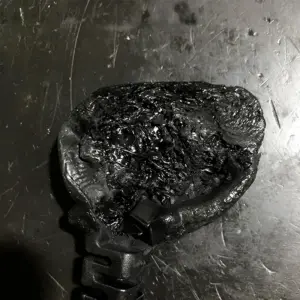
Burn marks occur when air, resin, or gas becomes trapped in the mold cavity during the injection molding process. The trapped air or gas gets compressed as molten plastic enters the mold, and if there’s insufficient venting, this compressed air will heat up due to the incoming plastic. The result? That heated air scorches the plastic material, creating dark, visible burn marks on the surface. It’s like trying to fry an egg without ventilation — things get too hot and you end up with an overcooked, uneven result.
While burn marks typically show up as dark streaks or discolorations, they can also indicate other more serious issues in the injection molding process, such as excessive heat, high injection speeds, or inadequate venting. If not addressed, burn marks can significantly affect both the appearance and structural integrity of the molded parts, especially in industries where precision and aesthetics matter.

Why Do Burn Marks Happen?
Several factors contribute to burn marks in injection molding, but the primary culprit is improper heat management. Here’s a closer look at what can go wrong:
1. Excessive Heat and Incorrect Temperature Settings
The plastic needs to be molten in order to flow into the mold properly. However, if the temperature of either the resin or the mold is set too high, the material can overheat and decompose. This decomposition can leave behind burnt plastic, which shows up as a burn mark on the part surface.
Sometimes, the raw material might overheat if it remains in the barrel for too long or if temperature settings are improperly calibrated. This excess heat accelerates the degradation of the resin, leading to visible defects.
2. Insufficient Venting
During the injection molding process, molten plastic flows into a mold cavity, and air must escape to make room for the material. If the mold does not have enough venting, air becomes trapped in the cavity. As more molten plastic enters, this trapped air compresses and heats up.
The heated, compressed air scorches the resin, leading to burn marks on the finished product. If your mold design lacks sufficient venting, those ugly dark streaks are almost inevitable.
3. High Injection Speed
If the injection speed is too high, it can cause turbulence inside the mold. This turbulence, combined with the rapid flow of molten plastic, may increase localized temperatures in certain areas. If these areas overheat, they are likely to result in burn marks, especially at the injection point or other areas where material tends to pool.
4. Mold Design Issues
Poor mold design can lead to uneven flow of the molten plastic. If some areas of the mold receive plastic before others, the material can sit too long in certain areas, leading to excessive heat buildup. This can cause burns at the points where the plastic lingers too long. Think of it like an overcrowded freeway — traffic (plastic) doesn’t flow evenly, and certain spots get “stuck” in the heat.

How to Prevent Burn Marks in Injection Molding
Now that we know what causes burn marks, let’s explore the best ways to prevent them from happening in the first place. Here are several strategies to keep your parts burn-free:
1. Optimize Temperature Settings
One of the most effective ways to prevent burn marks is by carefully managing your temperature settings. Ensure that the plastic material is heated to the proper temperature to achieve smooth flow, but avoid excessive temperatures that could lead to degradation.
Adjusting the mold temperature is just as crucial. Overheated molds can retain excess heat, contributing to burns. Fine-tuning these temperatures requires a delicate balance between achieving proper flow and avoiding overheating.
2. Improve Venting
Proper venting is essential for the injection molding process. Without it, you risk trapping air, which can lead to burn marks. Ensure your mold design includes strategically placed vents to allow air to escape efficiently during the injection process. This helps prevent air pockets from forming and overheating, which will help maintain a smooth and burn-free part.
3. Control Injection Speed
Avoid setting your injection speed too high. Rapid injection speeds can create turbulence and cause localized overheating. Instead, adjust the speed to ensure a smooth, controlled flow of plastic into the mold. By moderating injection speed, you can reduce the likelihood of overheating and the formation of burn marks.
4. Optimize Resin Melt Flow and Nozzle Size
By controlling the resin melt flow rate and ensuring the correct nozzle size, you can prevent the plastic from flowing too quickly or slowly. The wrong nozzle size can disrupt the flow, contributing to heat buildup in certain areas. Ensuring that the resin flows evenly and at the right rate will prevent burn marks from forming.
5. Refine Mold Design
A well-designed mold is crucial for even plastic flow and heat distribution. Mold designs should include balanced flow channels, proper cooling channels, and strategically placed vents. Proper mold cooling is essential to prevent plastic from remaining in a molten state for too long. Ensuring even flow will help eliminate areas of excessive heat buildup, reducing the likelihood of burn marks.
6. Regular Maintenance and Inspection
Regular maintenance of both the injection molding machine and molds can go a long way in preventing defects like burn marks. Blocked vents, worn-out nozzles, and improperly calibrated machines can all contribute to the problem. Routine checks and preventive maintenance ensure that your machinery and molds are operating at peak efficiency, reducing the risk of burn marks and other defects.
What Makes Silifusion Different?
At Silifusion, we understand that achieving defect-free molded parts requires more than just the right equipment — it requires the right expertise, experience, and attention to detail. Our team is committed to optimizing every aspect of the injection molding process, from fine-tuning temperature settings to ensuring the mold design is perfect for each unique application. With our extensive experience in the field, we’re confident that we can help you eliminate burn marks and other injection molding defects, delivering high-quality, precise parts every time.
Whether you’re working on high-volume production or specialized, small-batch runs, Silifusion ensures that each component meets the highest standards, with no burn marks in sight.
Conclusion
Burn marks in injection molding may seem like an inevitable problem, but with the right approach, they can be easily prevented. By carefully managing heat, improving mold design and venting, controlling injection speed, and performing regular maintenance, manufacturers can significantly reduce the risk of burn marks and produce flawless parts every time.
When you need a partner who understands the ins and outs of injection molding, turn to Silifusion. We’re committed to helping you achieve the highest-quality, defect-free plastic parts, so you can stay ahead of the competition and deliver the best results for your clients.


 English